Joint R&D Industrial Alliance : Integrated Air Defense (IADS) Research & Development Program
-
This program currently includes :
• Counter-Unmanned Aerial Vehicle (C-UAV) Research & Development• Air and Missile Defense Innovation
- Relevant for defense, research, academic, and investment institutions engaged in advanced defense innovation
-
The program focuses on offensive threat analysis, system integration, operational concepts, and the development of advanced defensive capabilities
Relevant entities for potential industrial and research collaboration :
Military Academies and Defense Universities :
Military Universities
Military Academies
Technical Universities
Strategic Capital and Institutional Investors :
Defense Investment Funds
Defense Venture Capital
Strategic Defense Investors
Industrial and Defense Technology Companies :
Private Defense Contractors
Defense Technology Companies
Government Entities Responsible For Defense
Development Programs :
Ministries of Defense
Government defense laboratories
Defense research agencies
Sovereign defense R&D organizations
Key Provisions of the Joint R&D Industrial Alliance Agreement and the Project Outline
- The agreement includes the following sections :
Partner Eligibility Requirements
Partner Eligibility Requirements & Essential Conditions for Partnership
Security & Confidentiality Protocol
All evaluation, communication, and collaboration processes related to this project are strictly governed by a mandatory Non-Disclosure Agreement (NDA) and the Secure Innovation Evaluation & Protection Protocol (SIEPP)
Project Outline and Collaboration Roadmap
The project outline will be available soon A preliminary overview of innovation
Project OutlinePartner Eligibility Requirements & Essential Conditions for Partnership :
: متطلبات أهلية الشركاء & الشروط الأساسية للشراكة
Military Affairs and Strategic Studies Committee
-
Provision of a Military Affairs & Strategic Studies Committee specialized in evaluating the project based on military sciences and strategic utilization, rather than on a purely technical or engineering basis .
The presence of a Military Affairs and Studies Committee is required because the evaluation of any innovation must be based on defense foresight and military planning, such as comprehensive defensive capabilities, and how they are employed within military operations and strategic conflict environments, and not within theoretical models or technical evaluations.
APPROVED PROJECT EVALUATION CRITERIA
- This research alliance evaluates projects based on military feasibility.
- The absence of economic feasibility or incompatibility with technical evaluation models is not considered sufficient grounds for approving or rejecting the project.
- Limitations of technical and economic evaluation in assessing innovation at the strategic level, and the lack of adequate evaluation criteria required to determine the feasibility of innovative solutions in addressing defense challenges.
Security & Confidentiality Protocol
بروتوكول الأمن والسرية
Security & Confidentiality Protocol
-
All evaluation, communication, and collaboration processes related to this project are strictly governed by a mandatory Non-Disclosure Agreement (NDA) and the Secure Innovation Evaluation & Protection Protocol (SIEPP) — the dedicated security and confidentiality framework developed for classified defense innovation handling
SIEPP was originally designed as an advanced regulatory document created for another high-sensitivity defense project classified at a Highly Confidential level.
For the current project (C-UAV R&D Project), SIEPP serves as the reference security framework, and all entities must comply with its core protective principles before any form of technical or operational information can be accessed.
No technical, architectural, operational, or concept-level details will be disclosed unless:
Eligibility requirements are fully met, and NDA and SIEPP commitments are formally executed and recognized.
Any attempt to obtain information outside these protocols — including indirect elicitation, speculative technical inquiry, or unauthorized analysis — will result in immediate and permanent discontinuation of communication.
Only partners who meet the full institutional, technical, and security criteria may proceed to the controlled-access evaluation phase.
بروتوكول الأمن والسرية
-
تخضع جميع عمليات التقييم والتواصل والتعاون المتعلقة بهذا المشروع بشكل صارم لاتفاقية عدم الإفصاح الإلزامية (NDA) وبروتوكول Secure Innovation Evaluation & Protection Protocol (SIEPP)
بوصفه الإطار المخصص للأمن والسرّية الذي تم تطويره خصيصًا للتعامل مع الابتكارات الدفاعية ذات الطابع المصنّف .تم تصميم (SIEPP) في الأصل كوثيقة تنظيمية متقدمة أُعدّت لمشروع دفاعي آخر عالي الحساسية ومصنّف ضمن مستوى (Highly Confidential)
وفيما يخص المشروع الحالي (C-UAV R&D Project)، يُعتمد (SIEPP) بوصفه الإطار المرجعي للأمن والسرّية، وتلتزم جميع الجهات بالامتثال لمبادئه الوقائية الأساسية قبل السماح بالوصول إلى أي معلومات تقنية أو عملياتية .
لن يتم الإفصاح عن أي تفاصيل تقنية أو معمارية أو عملياتية أو على مستوى المفهوم ما لم تتحقق الشروط التالية مجتمعة
استيفاء جميع متطلبات الأهلية،
التنفيذ الرسمي والاعتراف القانوني بالالتزامات الواردة في (NDA) و (SIEPP) .
وأي محاولة للحصول على معلومات خارج هذه البروتوكولات — بما في ذلك الاستدراج غير المباشر للمعلومات، أو الاستفسارات التقنية الافتراضية، أو أي تحليل غير مصرح به — ستؤدي إلى الإيقاف الفوري والدائم لأي تواصل .
ولا يُسمح بالانتقال إلى مرحلة التقييم ذات الوصول المقيّد إلا للشركاء الذين يستوفون كامل المعايير المؤسسية والتقنية والأمنية .
Confidentiality & Privacy Documentation
Please read carefully before you make any contact with us
-
I have long-standing experience in recognizing and countering certain techniques that are sometimes used in these contexts — such as oversimplification, fragmentation, reverse elicitation, decomposition approaches, simplistic criteria, lack of strategic seriousness, and disregard of protection protocols .
There is no need to apply such methods, as they immediately end any potential cooperation. My project is built on collaboration, not as a source of information to be extracted or exploited .
The conceptual projection approach in formulating questions, and attempts to derive answers from “ data resulting from non-conscious levels of perception ” will not be useful. Each question is subjected to conscious review and deliberate scrutiny before any response is provide
يرجى القراءة بعناية قبل إجراء أي تواصل معنا
- لدي خبرة طويلة في التعرّف على مجموعة من الأساليب التي يُحاول البعض استخدامها في مثل هذه السياقات — مثل : التبسيط المفرط، التجزئة المتعمدة، الاستجواب العكسي، منهجيات التفكيك، المعايير السطحية، غياب الجدية الإستراتيجية، أو تجاهل بروتوكولات الحماية .
لا داعي لاستخدام مثل هذه الأساليب، فهي تُنهي أي إمكانية للتعاون فورًا .
إن مشروعي قائم على التعاون البنّاء، وليس ليكون مصدرًا لمعلومات يُراد استخراجها أو استغلالها .
أسلوب الإسقاط المفاهيمي في طرح الأسئلة، ومحاولات استنتاج الإجابات من خلال ” المعطيات الناتجة عن المستويات غير الواعية من الإدراك ” لن يكون مفيد . فكل سؤال يخضع للمراجعة و للتدقيق الواعي قبل تقديم أي إجابة .
Project Outline and Collaboration Roadmap
الخطوط العريضة للمشروع
-
Project information may be provided according to the prospective partner’s technical and evaluation requirements.
Counter-Unmanned Aerial Vehicle (C-UAV) Research & Development
Counter-UAV Subsystem Project
مشروع النظام الفرعي لمواجهة الطائرات المسيّرة
Innovative C-UAV Defense System Concept Under Development
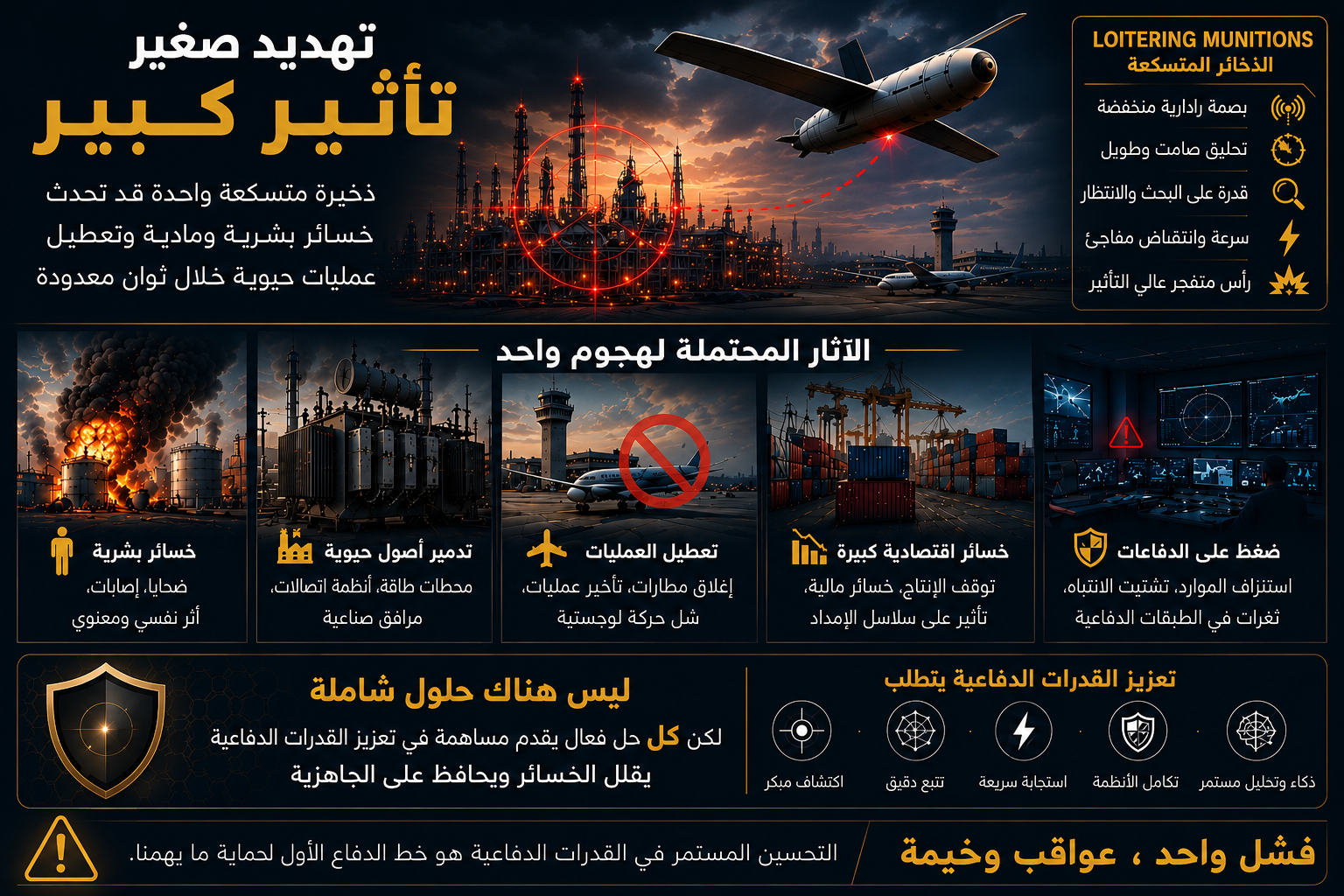
One Failure, Severe Consequences There is no single comprehensive defensive solution capable of addressing all threats and operational scenarios. However, every effective solution represents an important contribution to strengthening defensive capabilities, reducing losses, and preserving operational readiness
فشل واحد، عواقب وخيمة لا توجد حلول دفاعية شاملة للتعامل مع جميع التهديدات والسيناريوهات. ومع ذلك، فإن كل حل فعال يمثل مساهمة مهمة في تعزيز القدرات الدفاعية، وتقليل الخسائر، والحفاظ على الجاهزية العملياتية
Operational Need and Project Development Direction
الحاجة العملياتية و اتجاه تطوير المشروع
Operational Need And Project Development Direction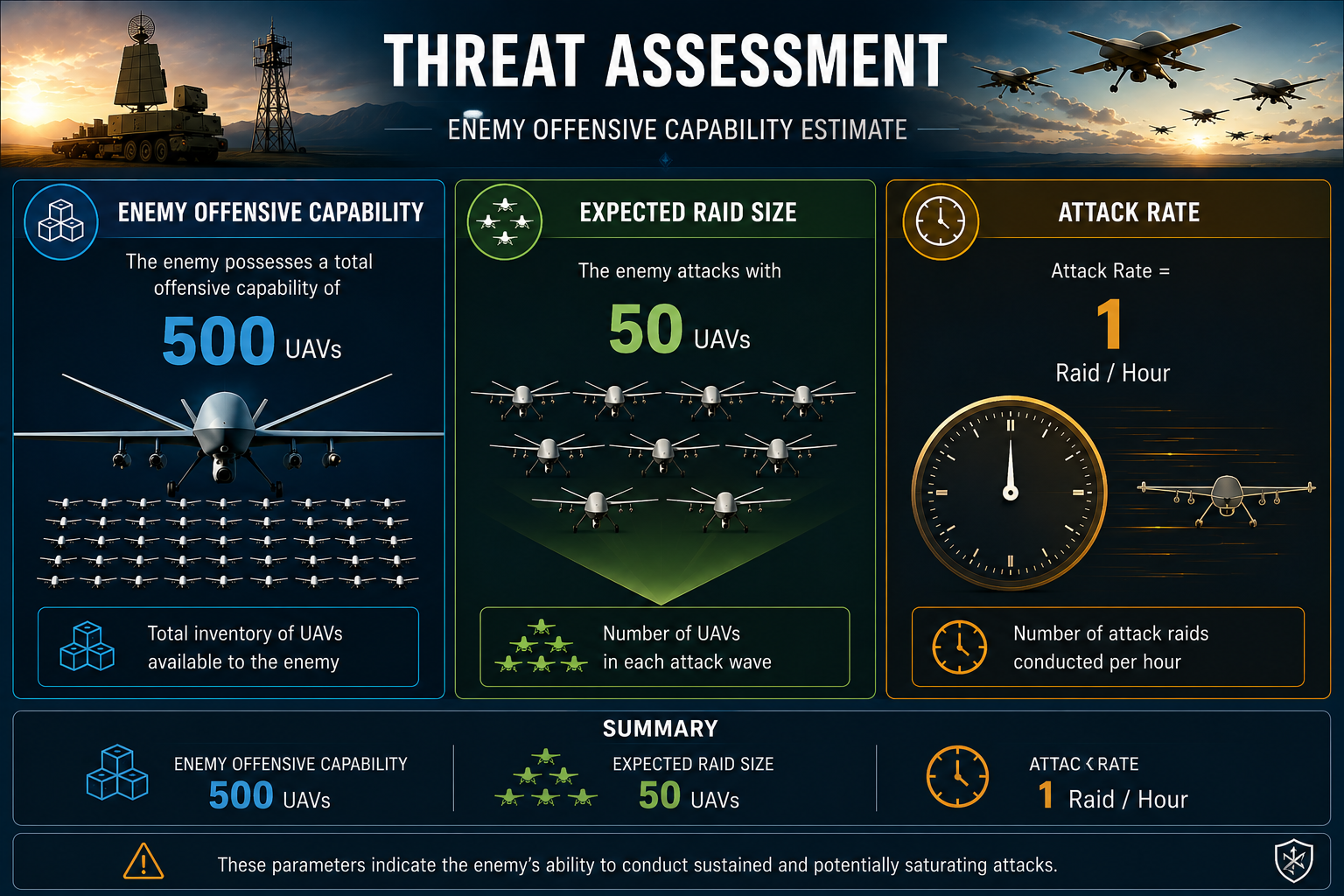
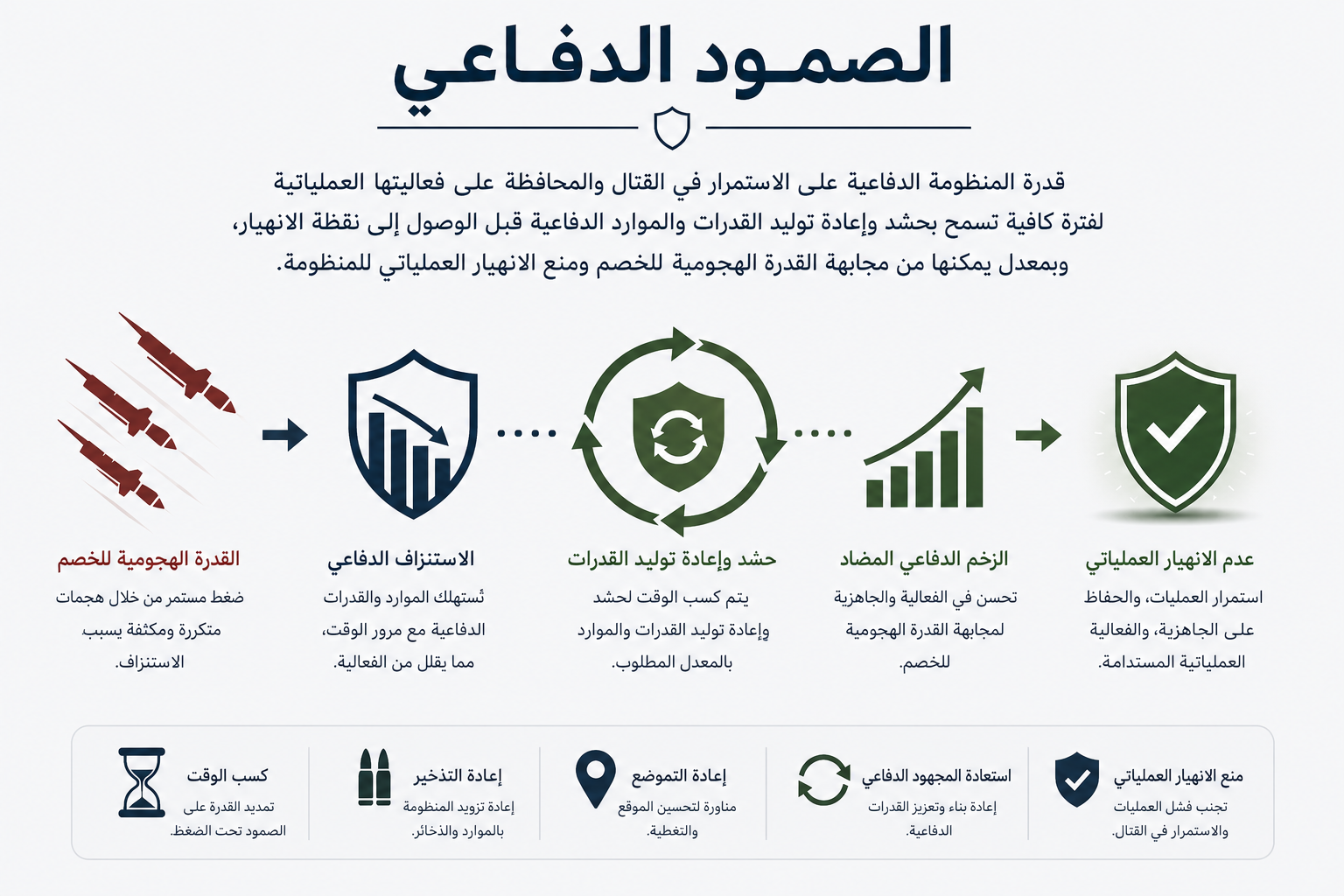
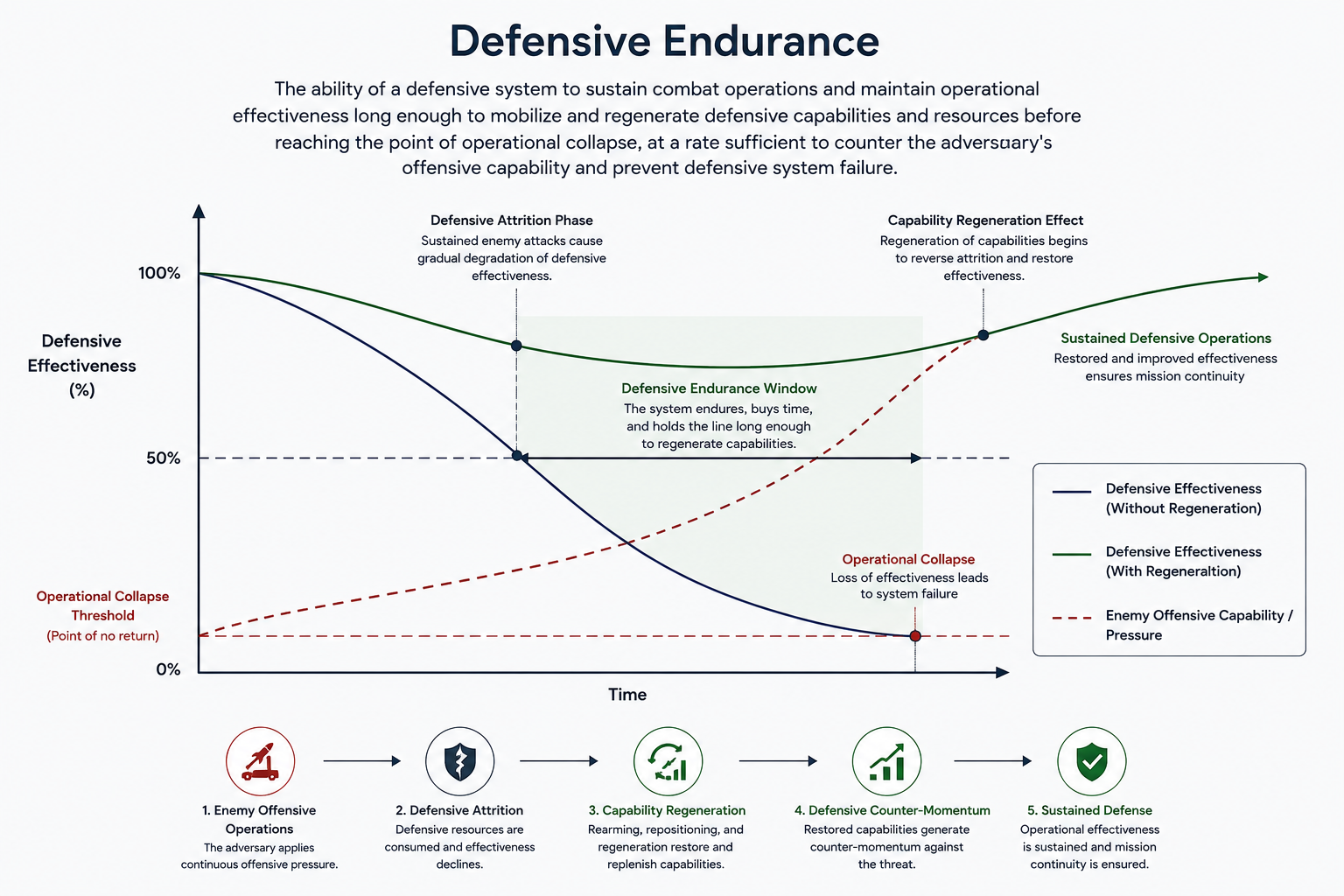
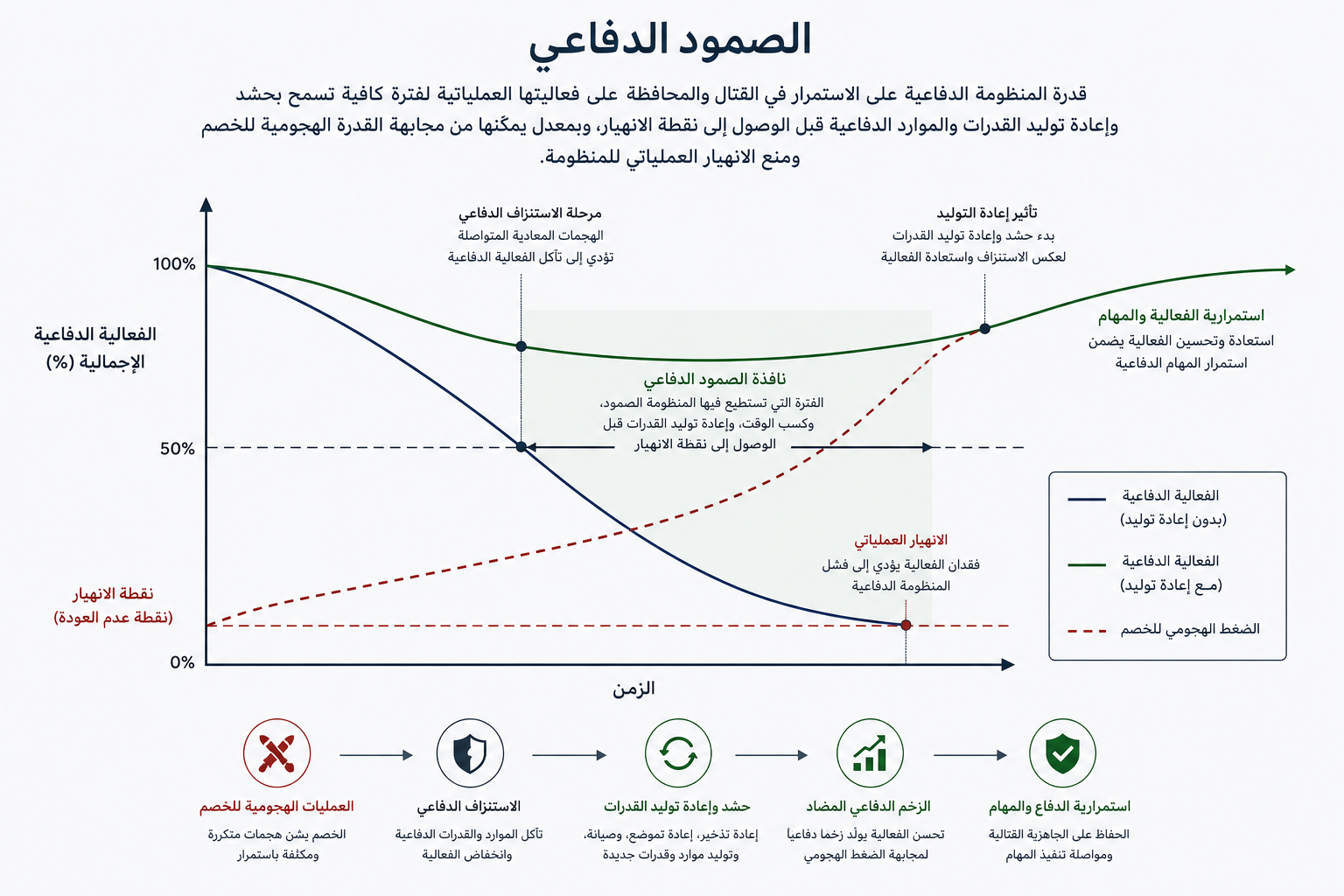
Operational Threat Concept and Capability Gap
Operational Threat Concept
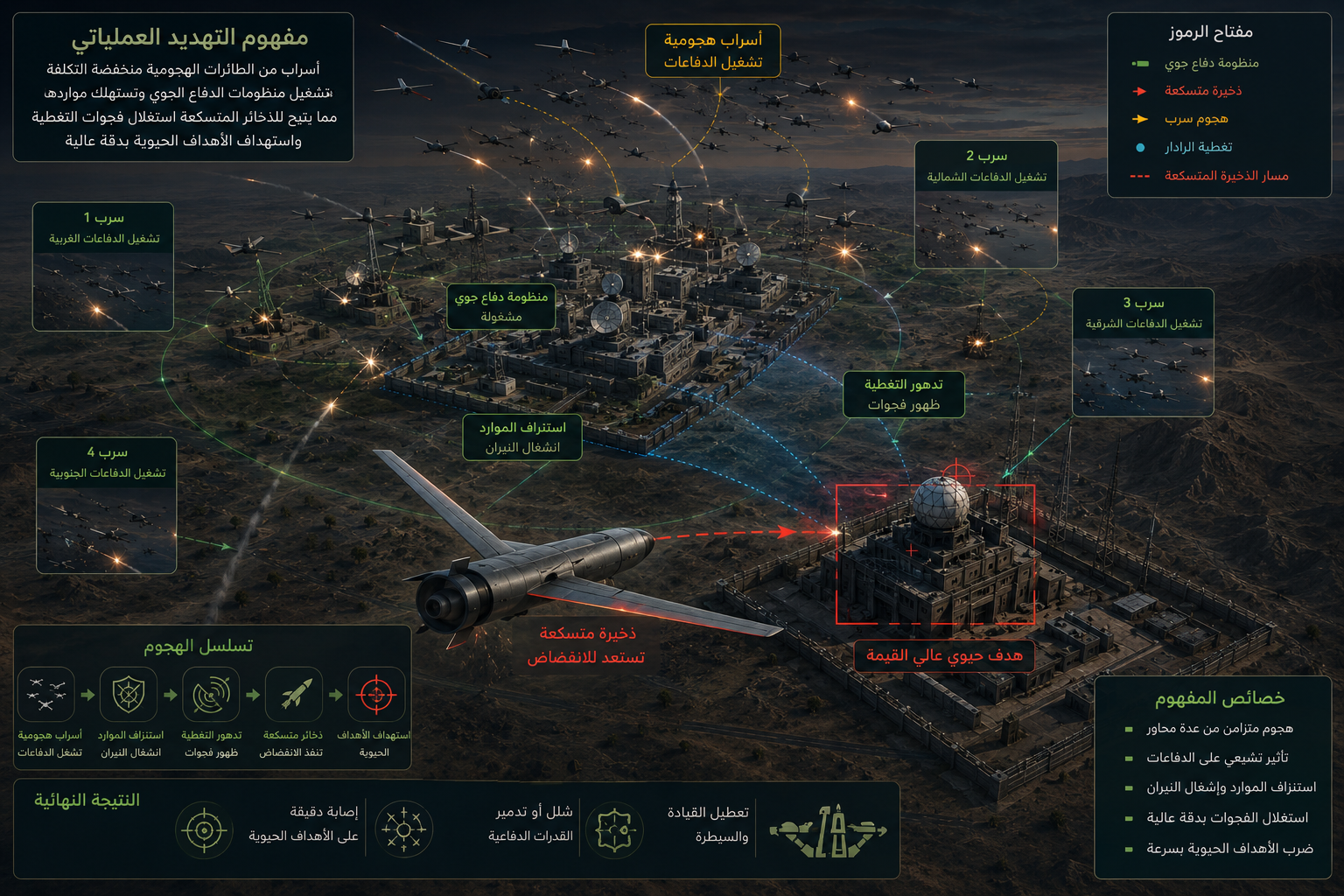
The coordinated use of low-cost attack drone swarms and loitering munitions, where saturation tactics are employed to occupy defensive firepower and consume resources, enabling loitering munitions to exploit temporary coverage gaps and engage high-value military targets.
مفهوم التهديد العملياتي
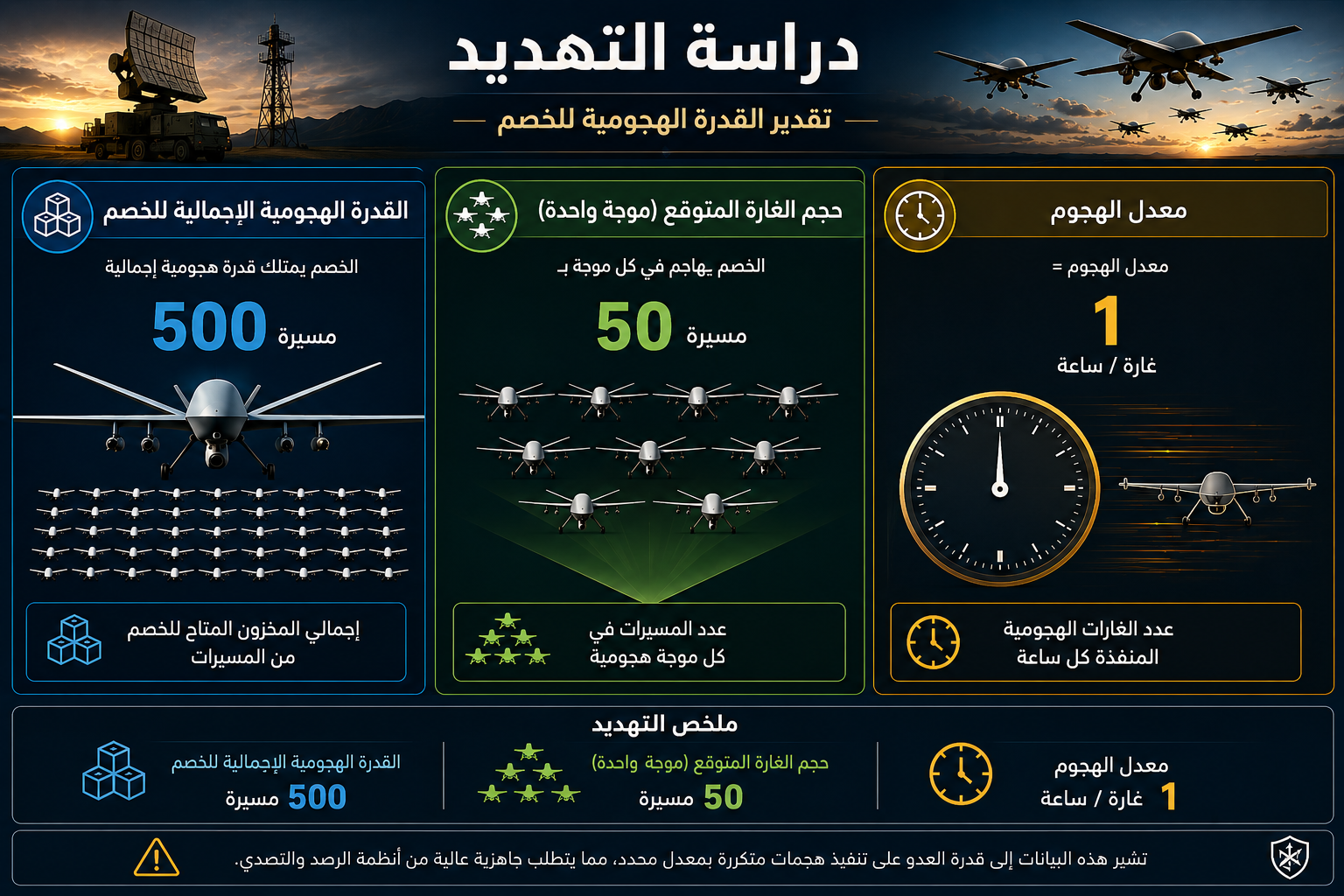
يعتمد هذا المفهوم التهديدي على استخدام أسراب من الطائرات الهجومية منخفضة التكلفة لإشباع المنظومات الدفاعية وإشغال قدراتها النارية واستنزاف مواردها، مما يؤدي إلى تقليص التغطية الدفاعية المتاحة وظهور فجوات مؤقتة في الحماية. وفي الوقت نفسه، تستغل الذخائر المتسكعة هذا التراجع في التغطية الدفاعية لاستهداف الأصول العسكرية عالية القيمة، بما في ذلك منظومات الدفاع الجوي، ومراكز القيادة والسيطرة، ومواقع الرادار، وغيرها من البنى التحتية العسكرية الحيوية.
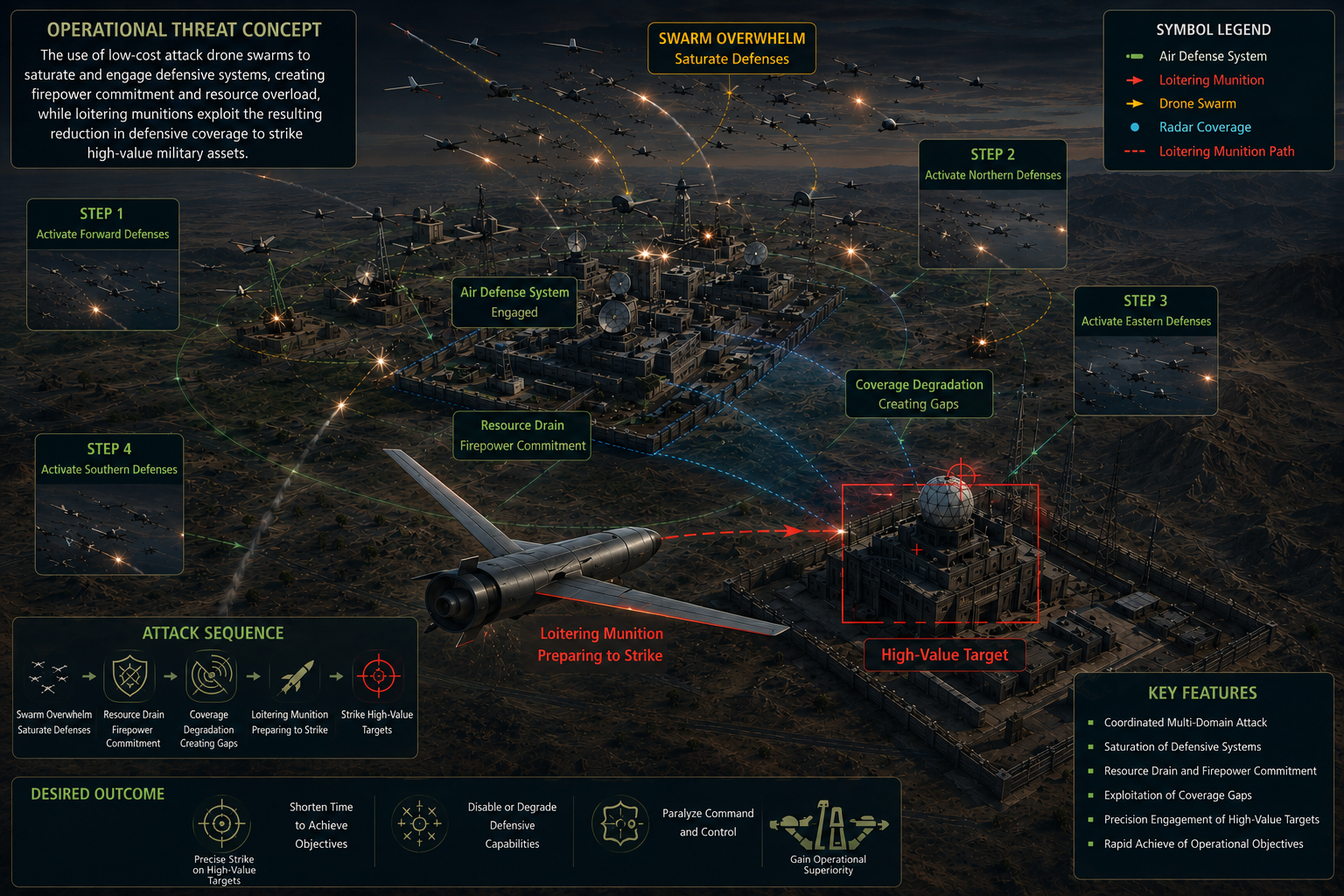
Firepower Commitment and Defensive Coverage Degradation
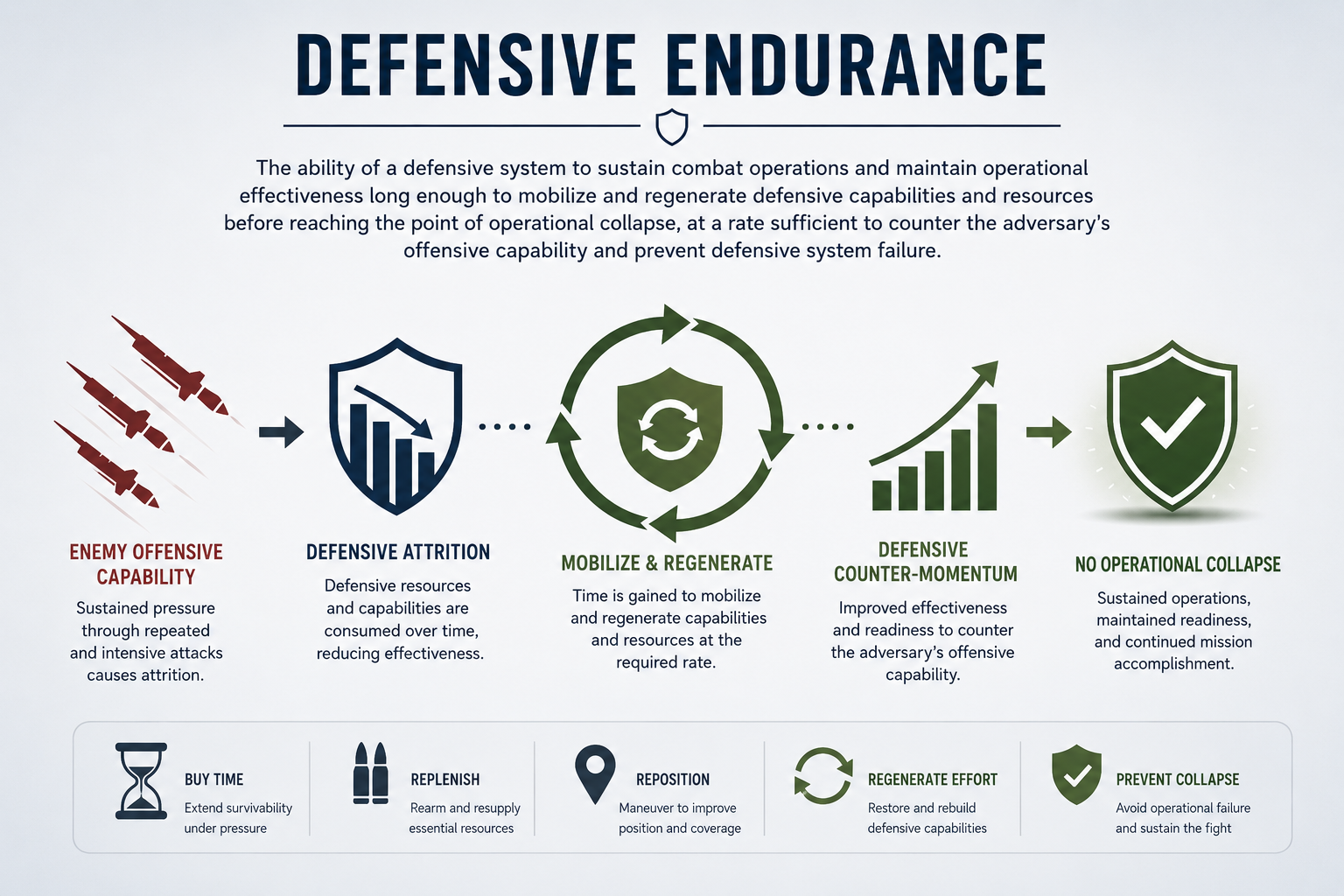
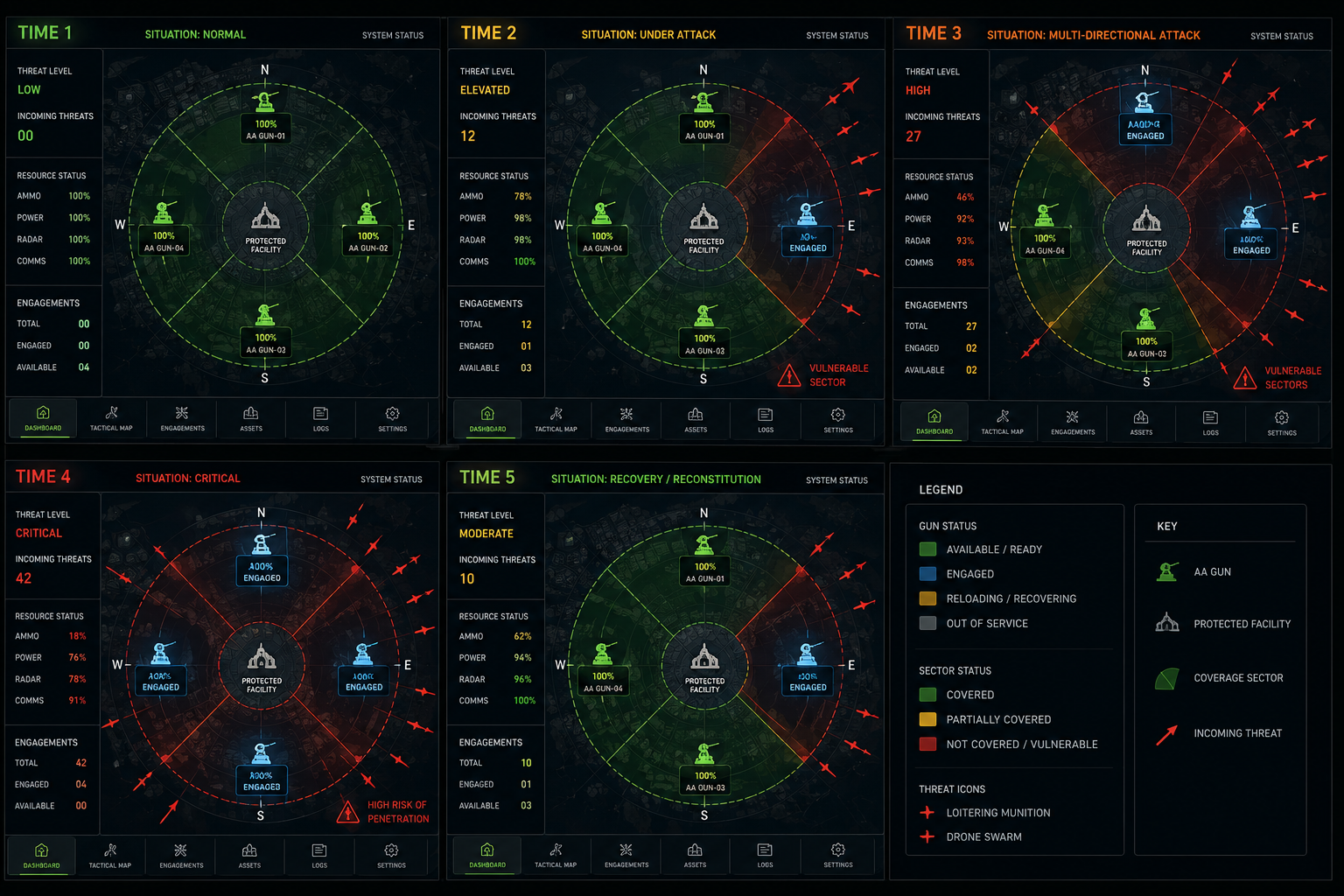
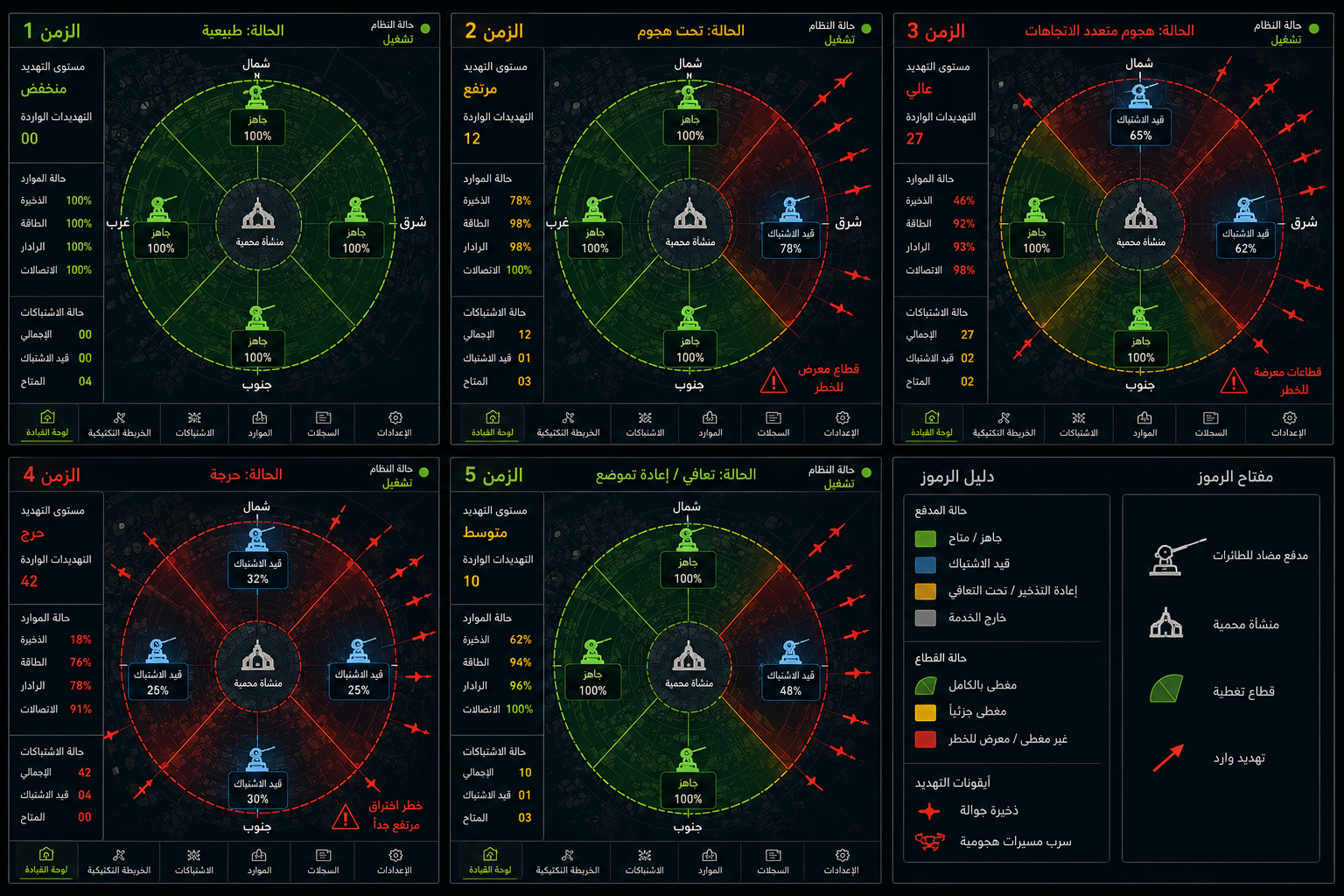
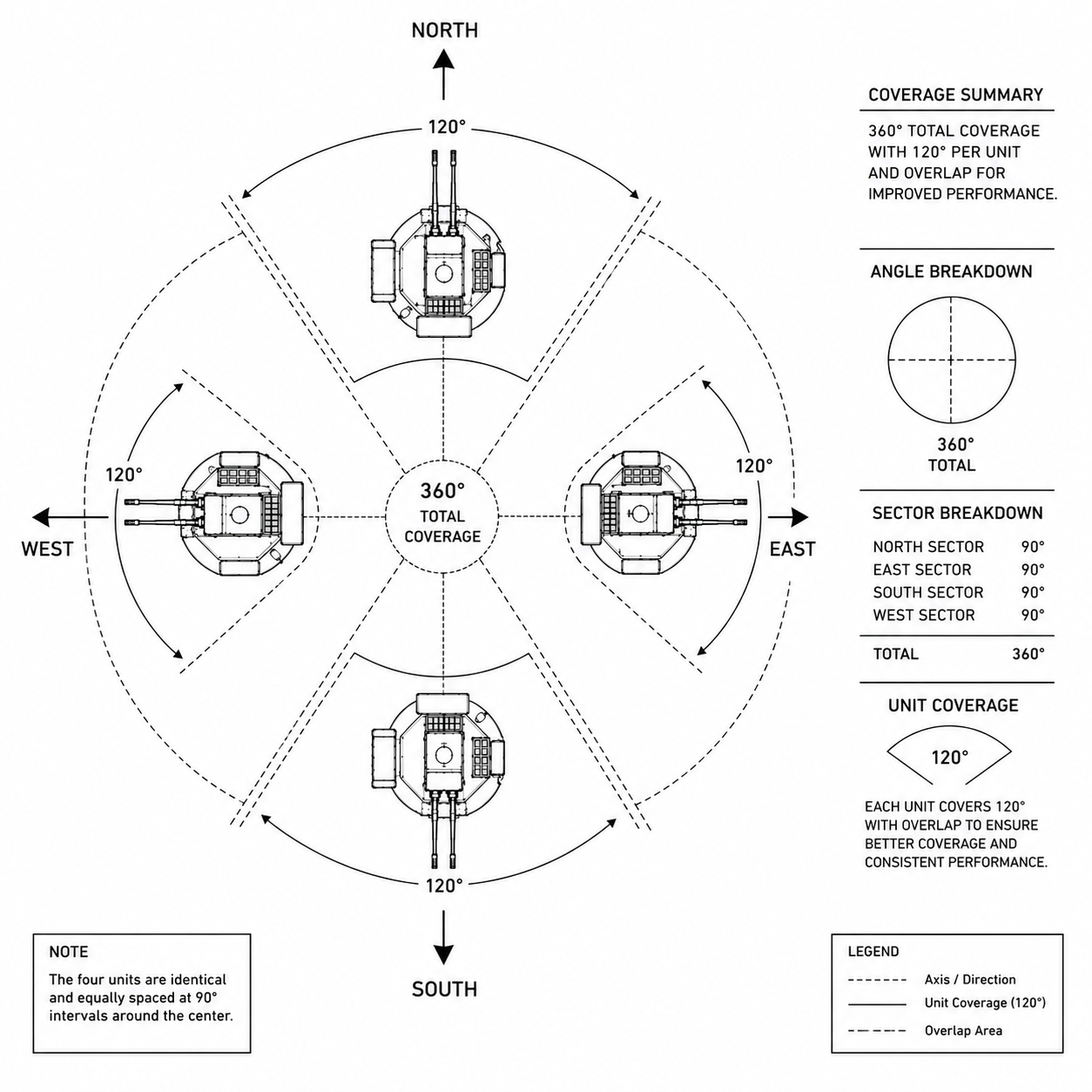
This operational model illustrates an attrition-based threat concept in which defensive units become increasingly committed to engaging a large number of incoming threats simultaneously. As the number of engagements increases, the defensive system’s ability to maintain effective coverage across all sectors is gradually reduced, creating temporary coverage gaps that may be exploited by additional attack waves. The effectiveness of this threat approach increases as attack intensity and multi-directional pressure grow, placing greater demand on defensive firepower, resources, and operational capacity, thereby reducing overall defensive effectiveness over time.
إشغال القدرات النارية وتراجع التغطية الدفاعية
يوضح هذا النموذج العملياتي أحد أساليب الاستنزاف الهجومي التي تعتمد على دفع الوحدات الدفاعية إلى الانشغال المتزامن بعدد كبير من التهديدات الواردة. ومع ازدياد عدد الاشتباكات، تتراجع القدرة على توفير تغطية دفاعية فعالة في جميع القطاعات في الوقت نفسه، مما يؤدي إلى ظهور فجوات مؤقتة في التغطية يمكن استغلالها من قبل موجات هجومية إضافية. ويزداد تأثير هذا النمط الهجومي كلما ارتفع معدل الهجوم أو تعددت اتجاهاته، حيث يصبح الضغط على الموارد والقدرات النارية عاملاً مؤثراً في فعالية المنظومة الدفاعية واستمرارية أدائها العملياتي.
Operational Context
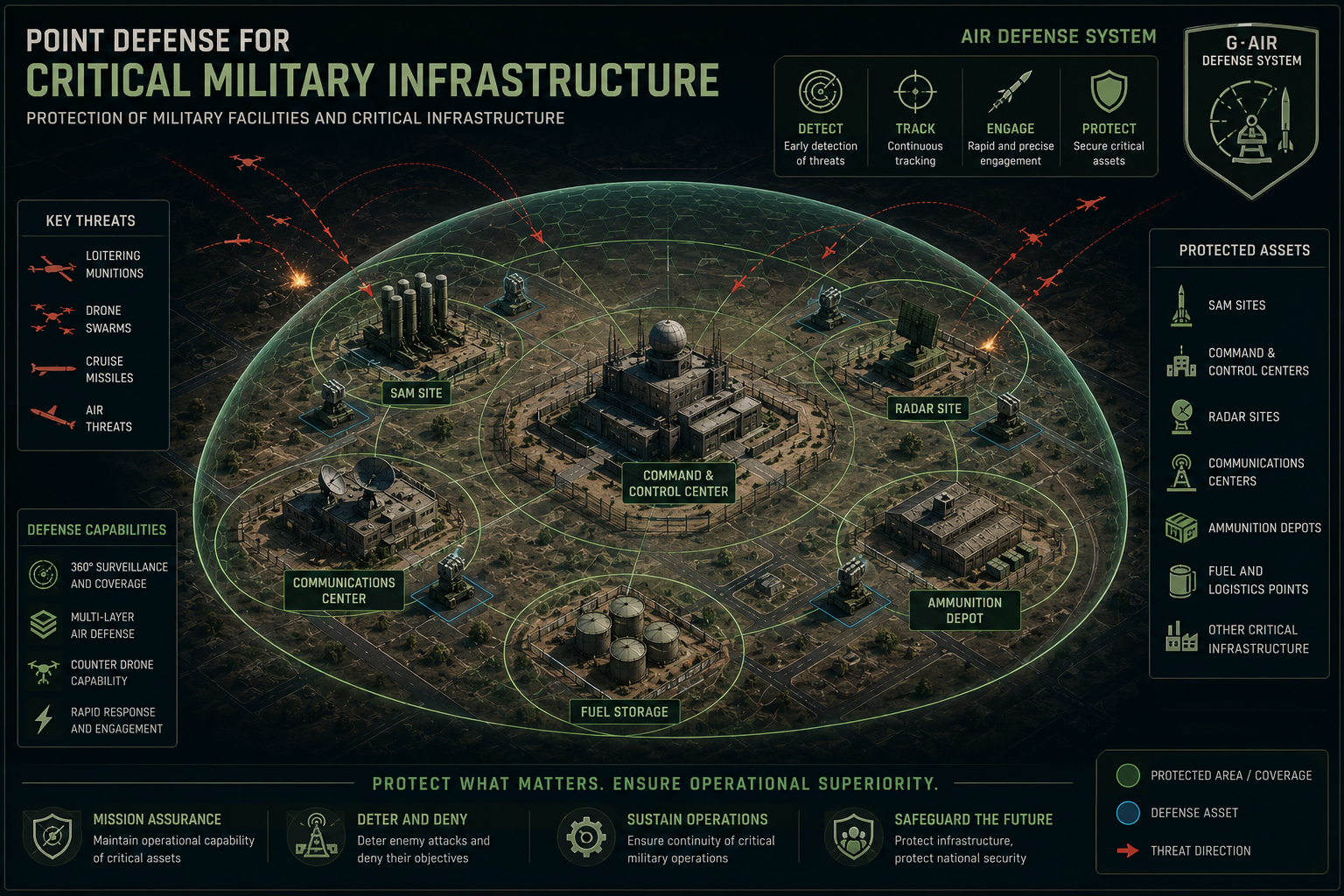
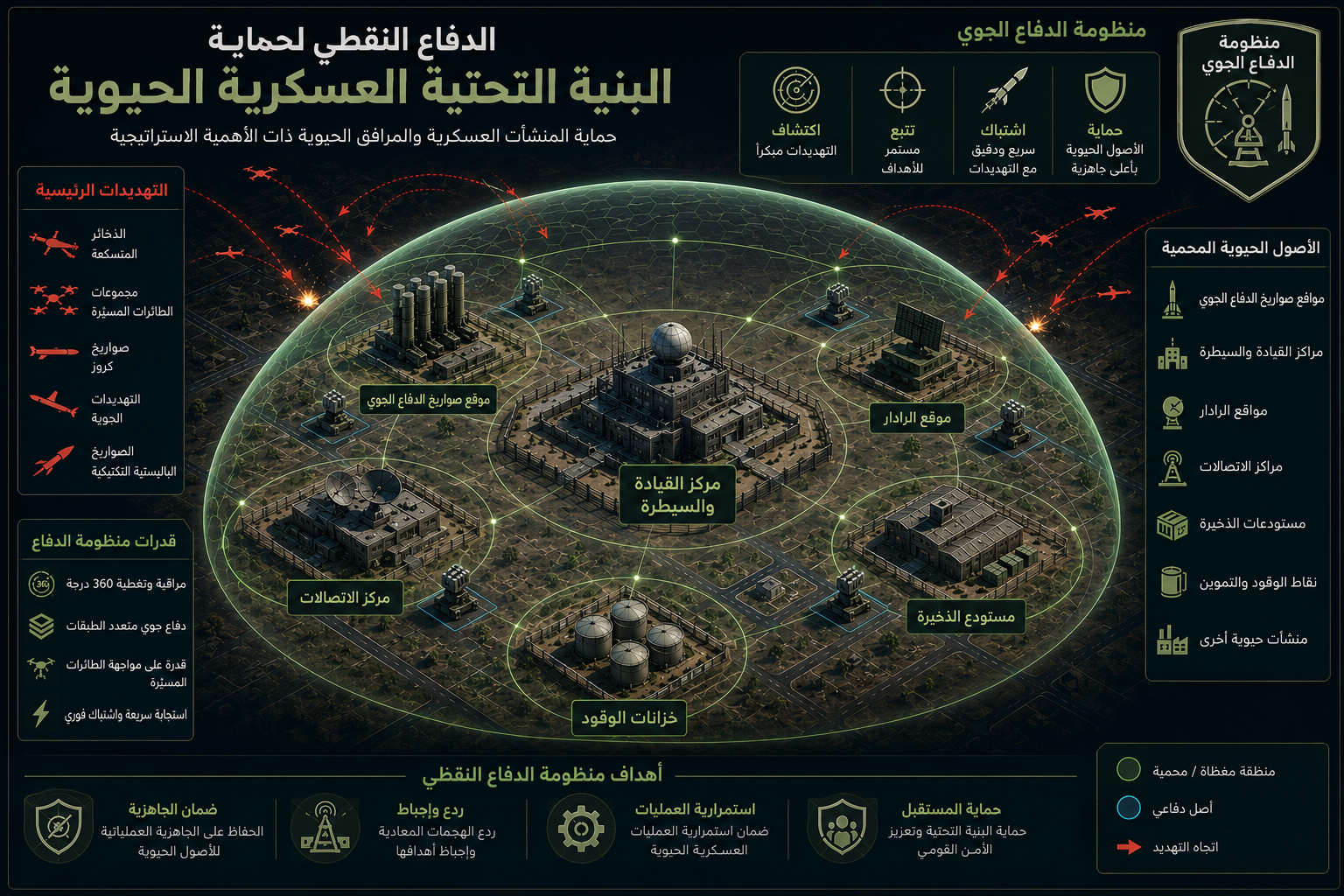
Protection of military facilities and critical infrastructure against loitering munition attacks targeting high-value military assets, including air defense systems, command and control centers, radar sites, and other mission-critical facilities.
السياق العملياتي
حماية المنشآت العسكرية والبنية التحتية الحيوية من هجمات الذخائر المتسكعة التي تستهدف الأصول العسكرية عالية القيمة، بما في ذلك منظومات الدفاع الجوي، ومراكز القيادة والسيطرة، ومواقع الرادار، وغيرها من المنشآت العسكرية الحيوية ذات الأهمية العملياتية.
Threat Type and Characteristics
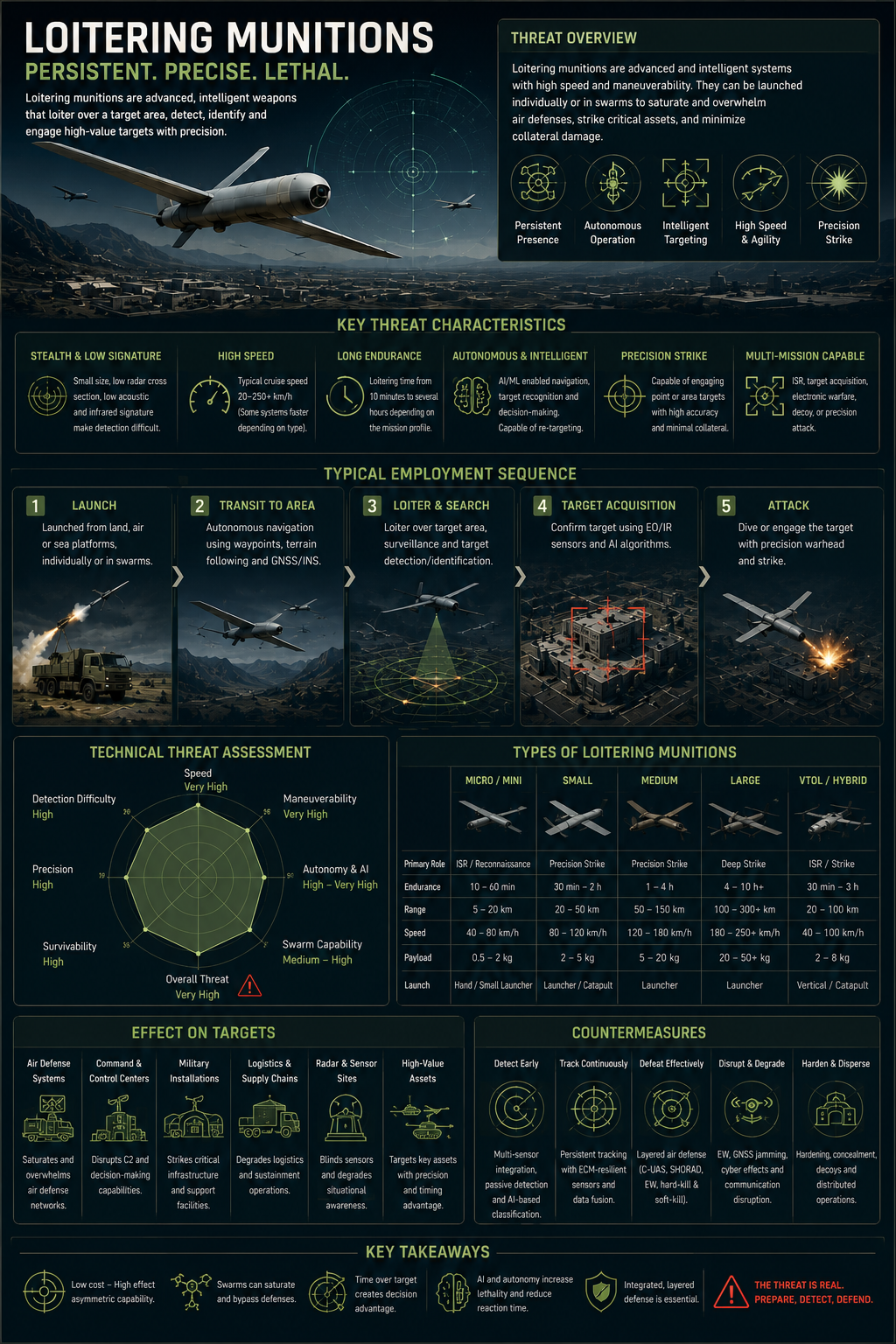
Loitering munitions represent advanced and intelligent threat systems characterized by their ability to remain airborne for extended periods while searching for potential targets. These systems combine surveillance, target acquisition, and precision strike capabilities within a single platform, enabling them to detect and engage targets with limited warning time. They are also characterized by high maneuverability, precision targeting, and the ability to operate independently or as part of coordinated attack formations. When employed individually or in synchronized high-intensity attacks, loitering munitions can impose significant operational pressure on defensive systems and critical military infrastructure.
نوع و خصائص التهديد
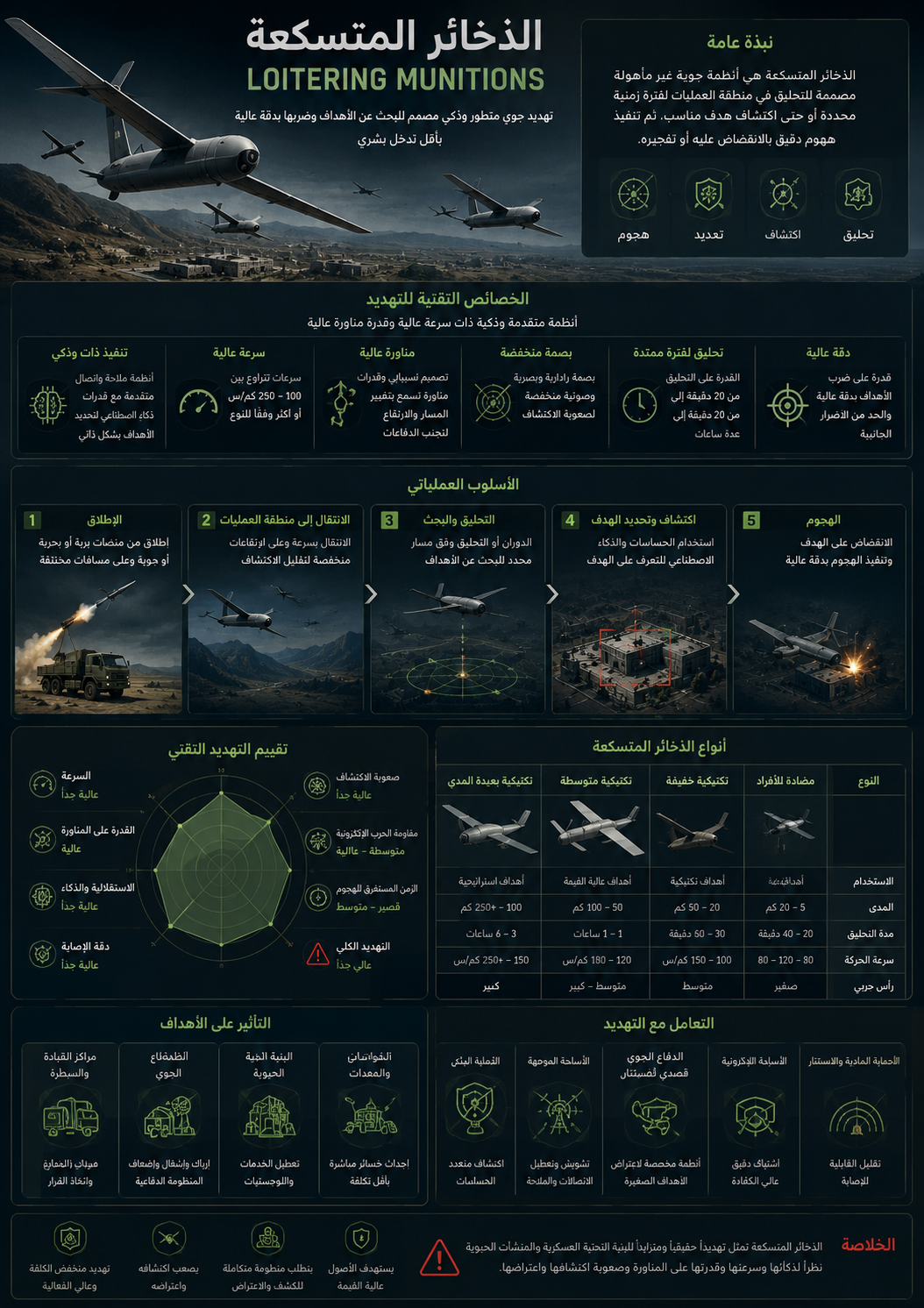
تمثل الذخائر المتسكعة أنظمة تهديد متقدمة وذكية تتميز بقدرتها على البقاء في المجال الجوي لفترات ممتدة أثناء البحث عن أهداف محتملة. وتجمع هذه الأنظمة بين الاستطلاع والاستهداف والضربات الدقيقة ضمن منصة واحدة، مما يتيح لها اكتشاف الأهداف ومهاجمتها بزمن إنذار محدود. كما تتميز بقدرتها على المناورة، والدقة العالية في الاستهداف، وإمكانية العمل بصورة مستقلة أو ضمن تشكيلات هجومية منسقة. وعند استخدامها بشكل فردي أو ضمن هجمات متزامنة ومكثفة، يمكن أن تشكل ضغطاً عملياتياً كبيراً على المنظومات الدفاعية والبنية التحتية العسكرية الحيوية
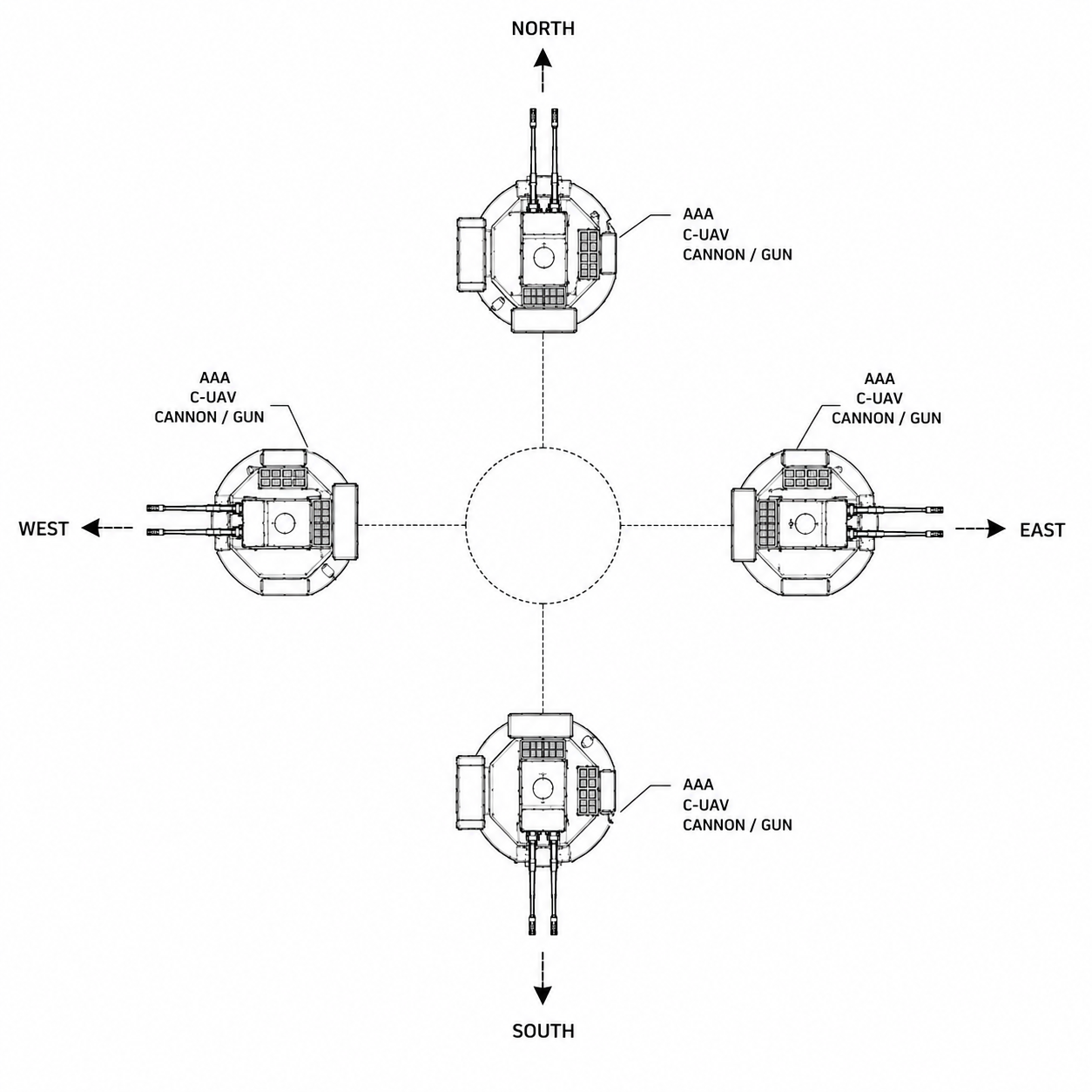
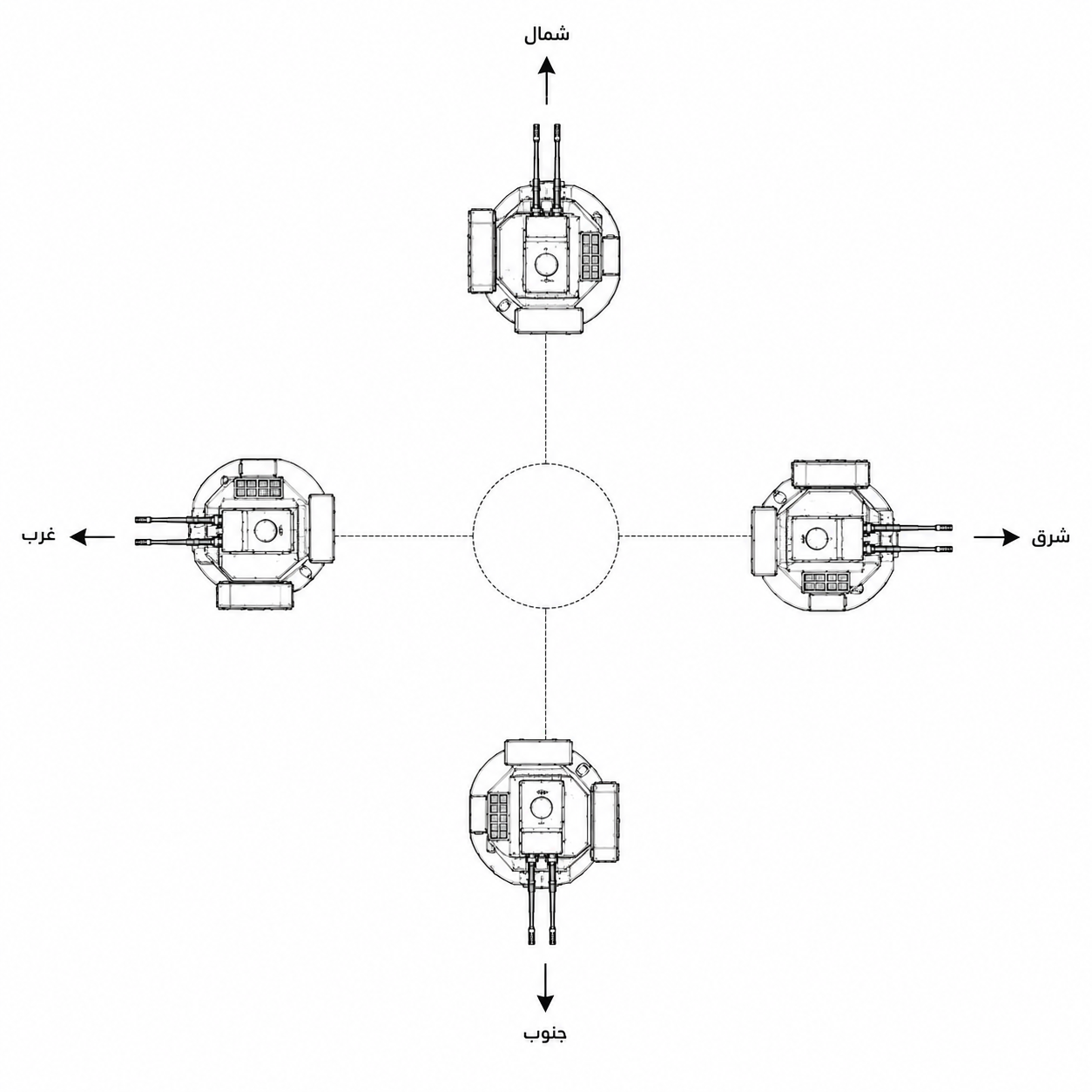
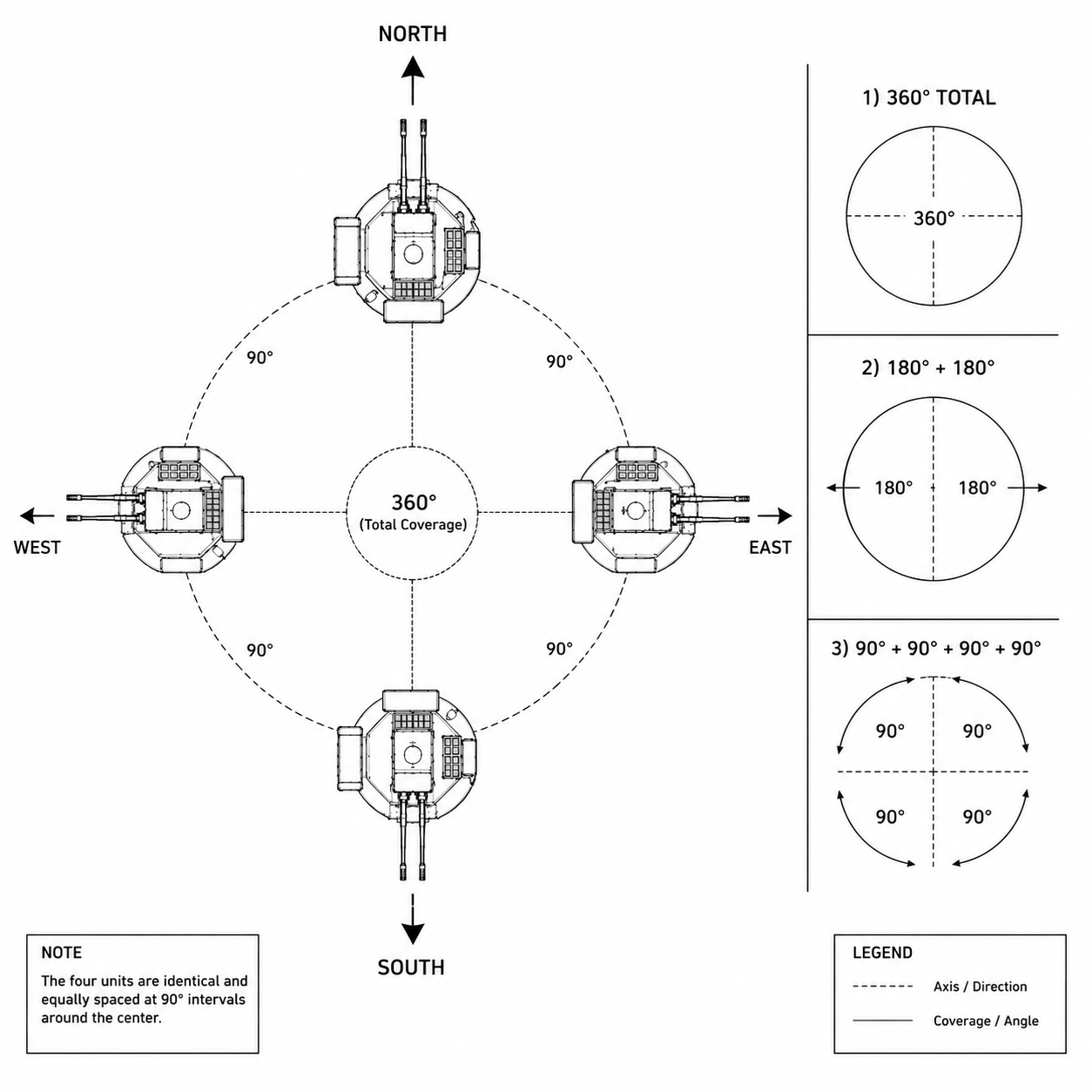
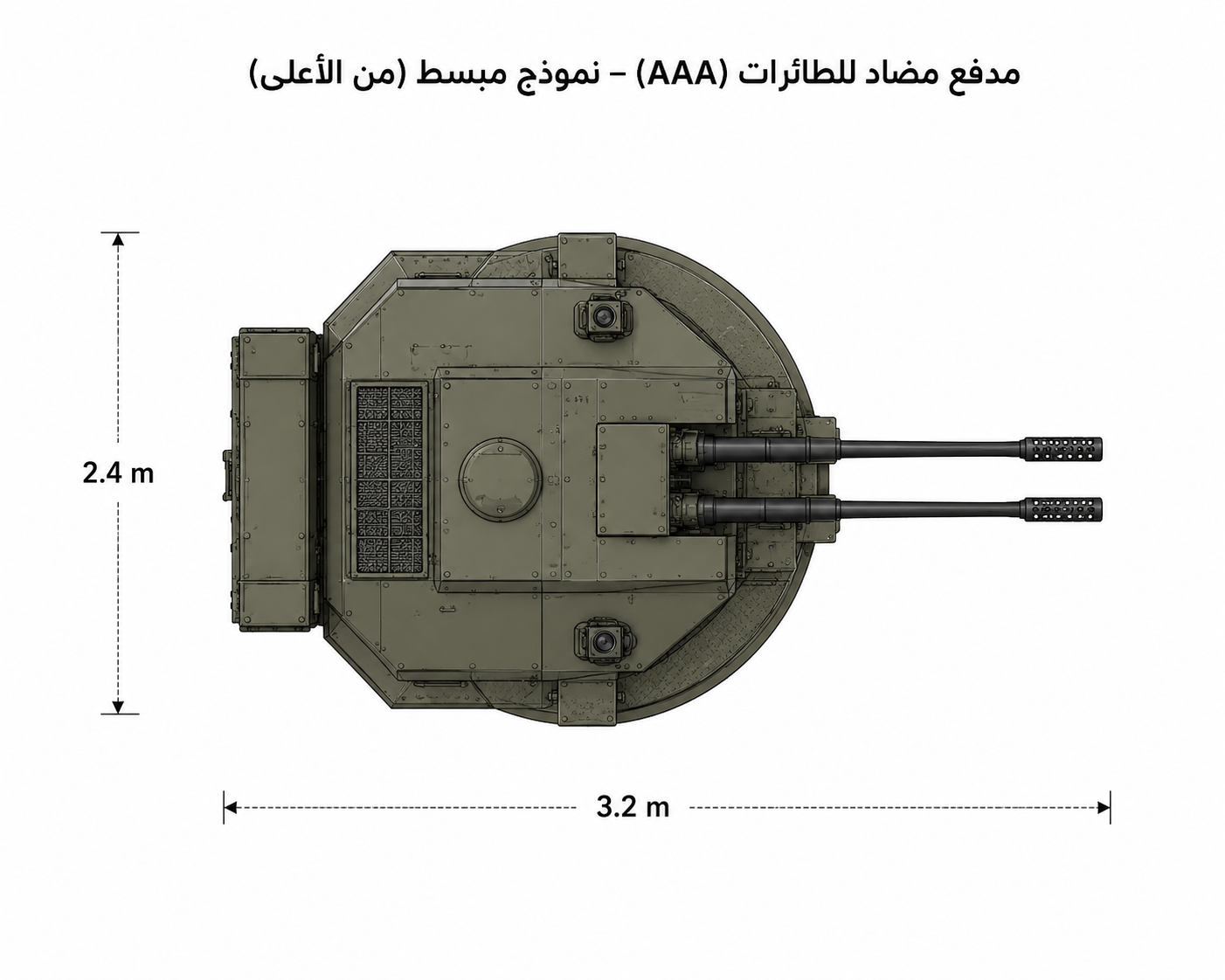
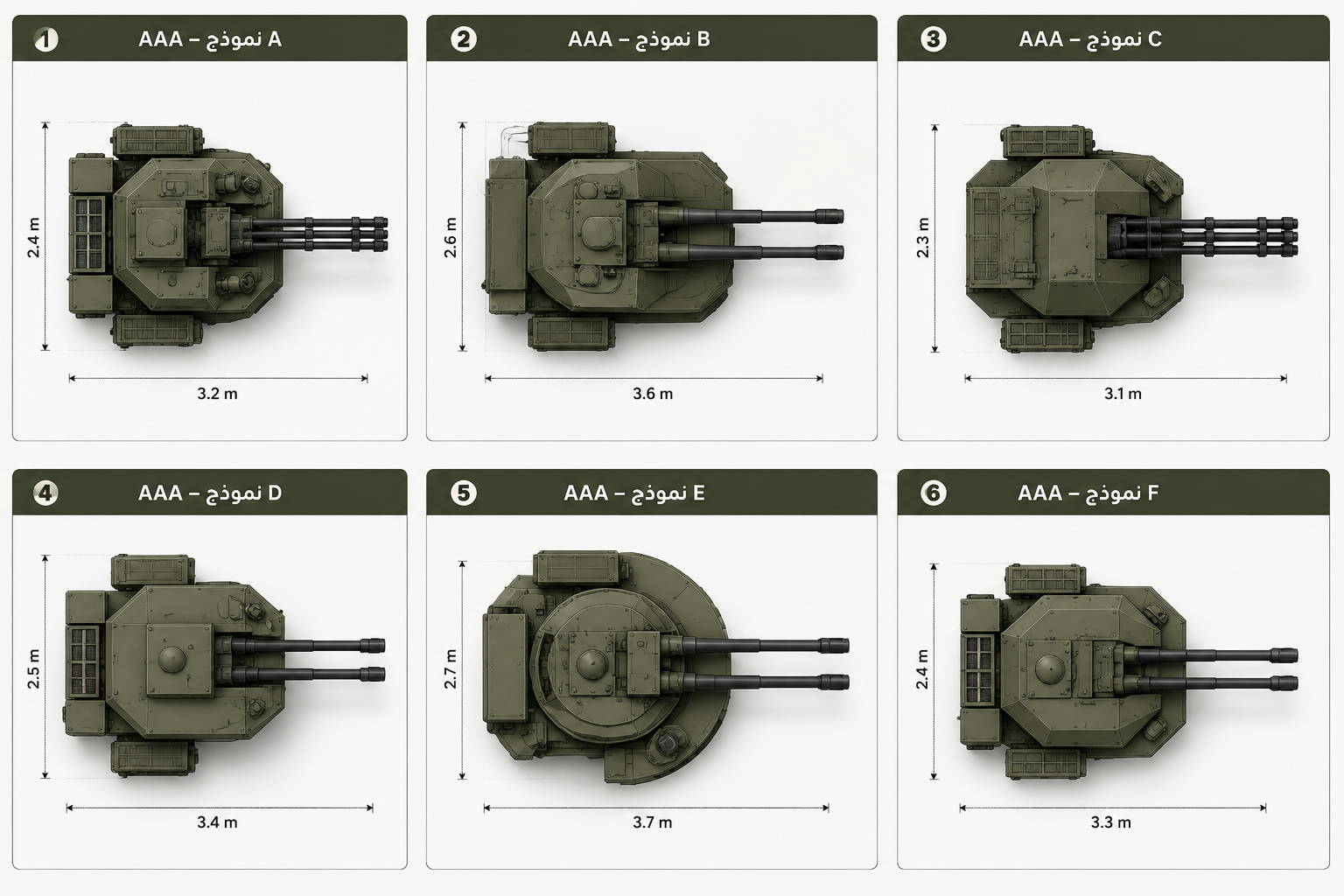
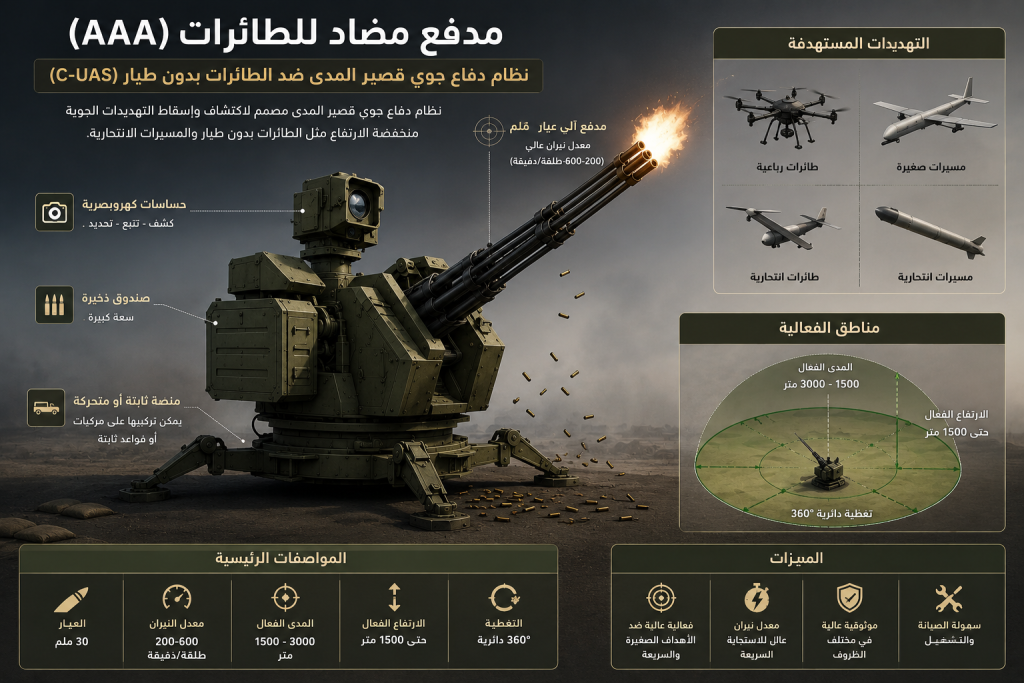
Disclaimer
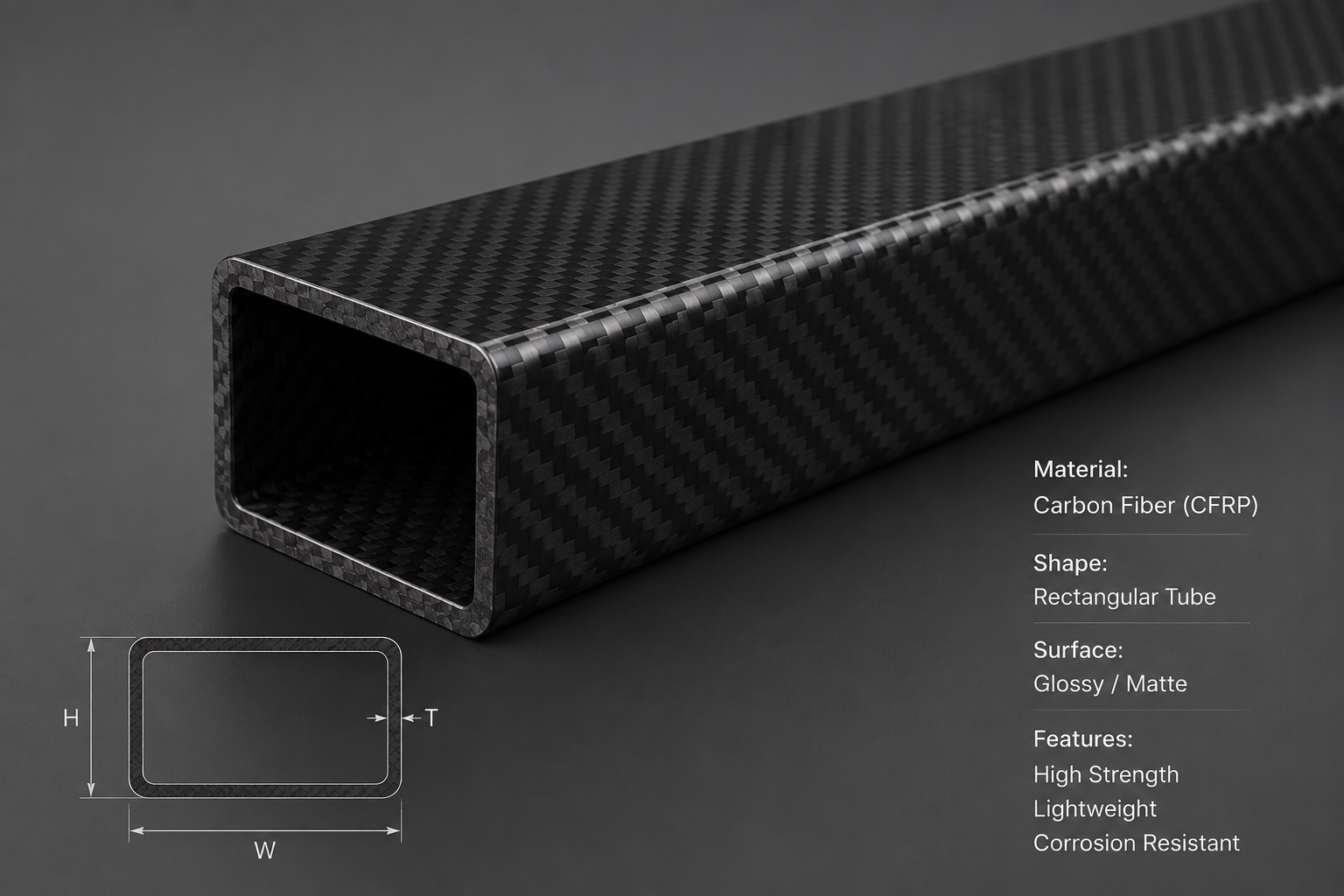
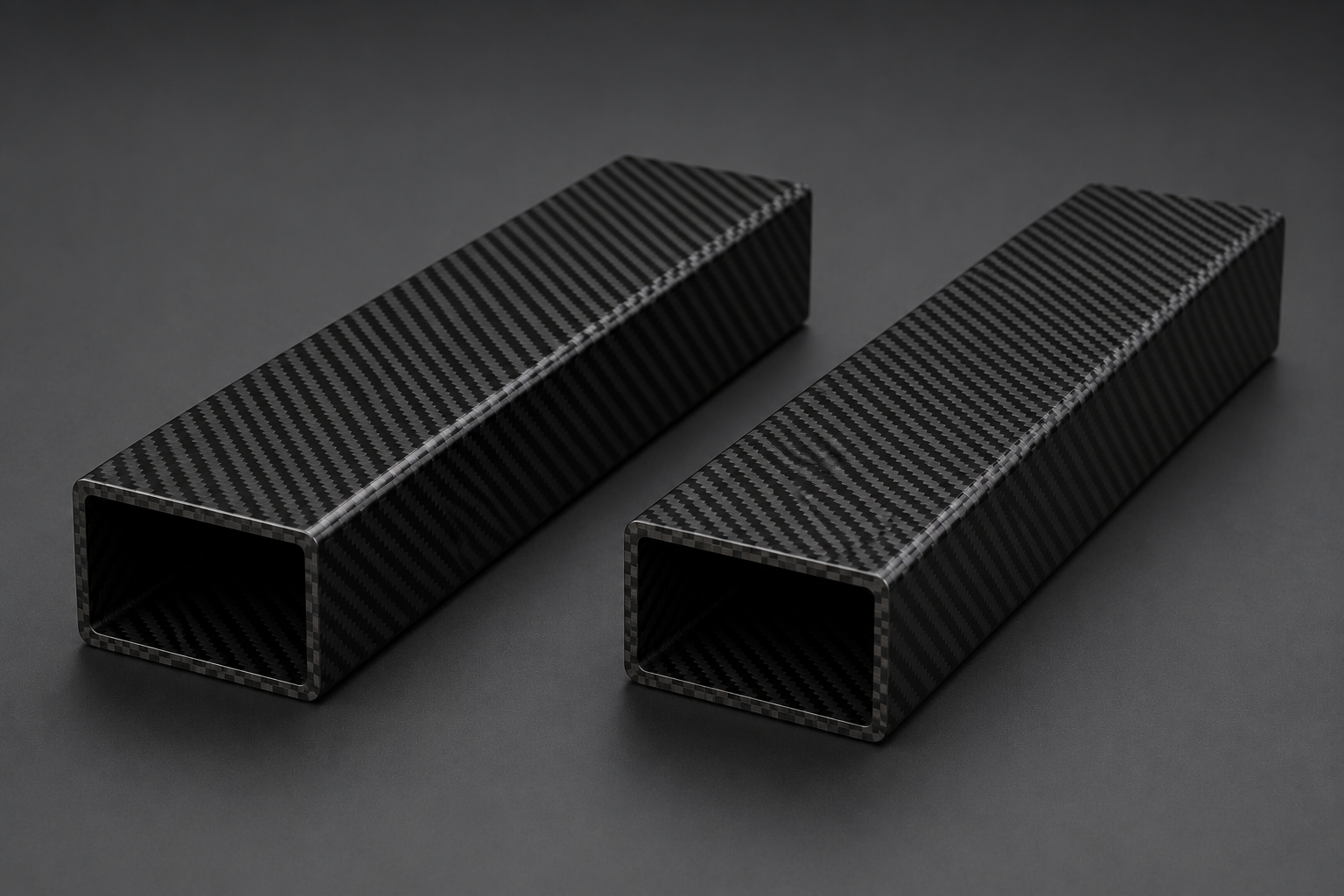
All visualizations, schematics, layouts, and conceptual representations published on this website are part of theoretical and conceptual research activities. They are not intended for manufacturing, prototyping, operational implementation, weapon development, system deployment, or any practical engineering application. The content is provided exclusively to support research, strategic analysis, capability assessment, and academic discussion.
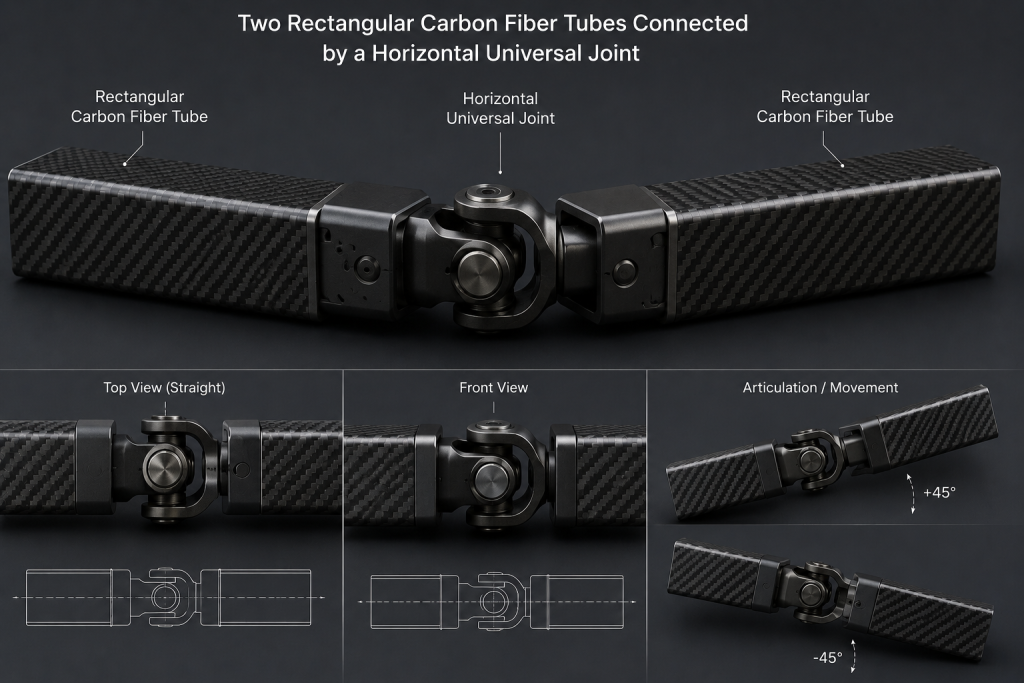
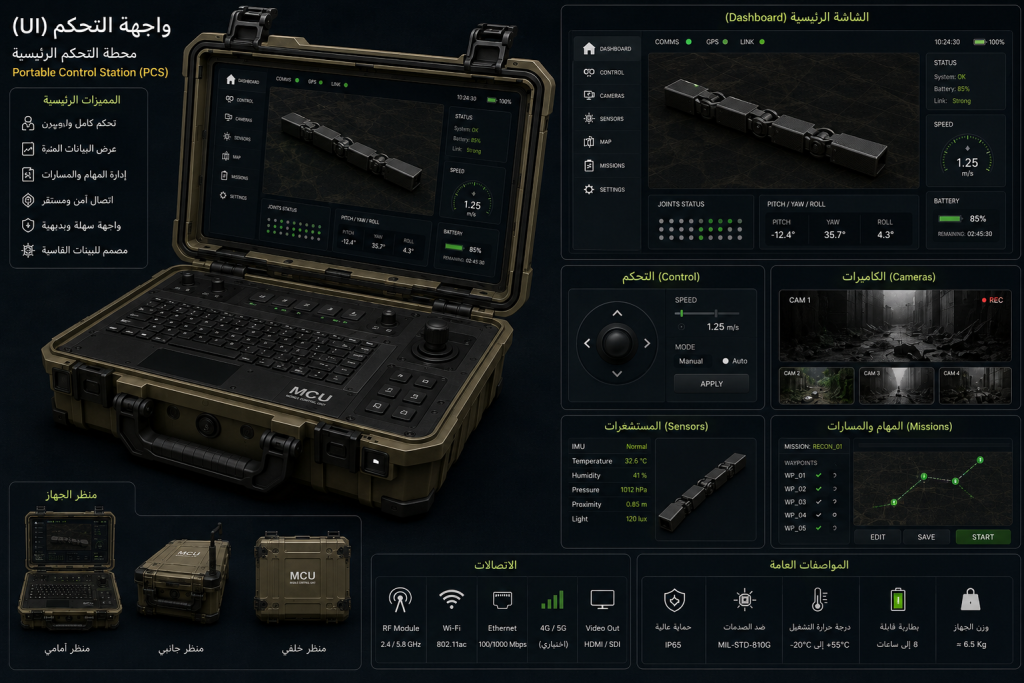
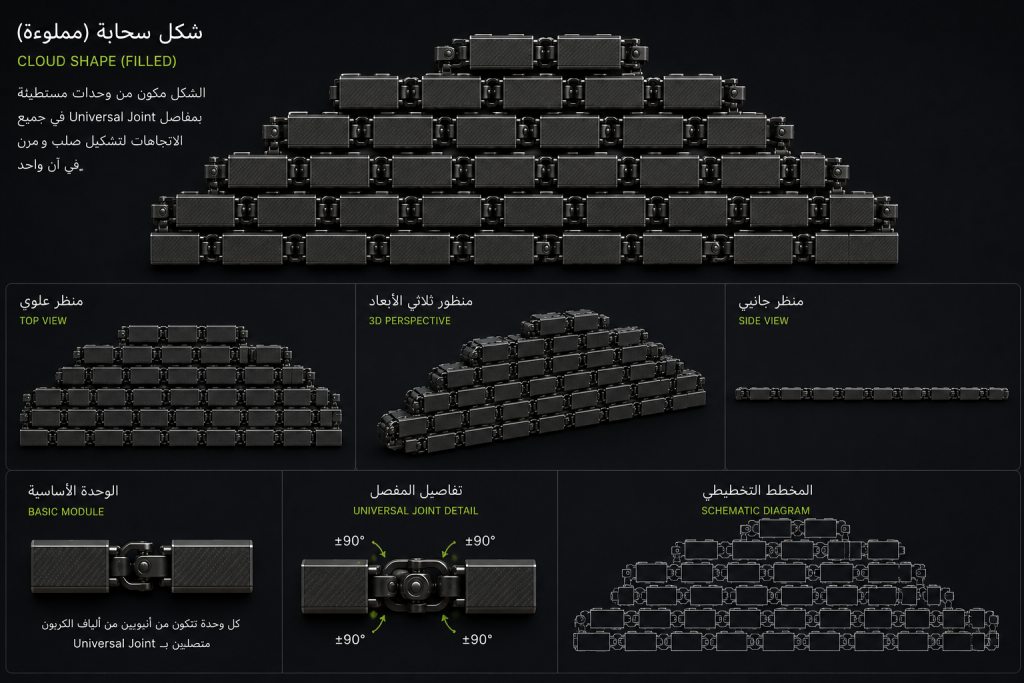
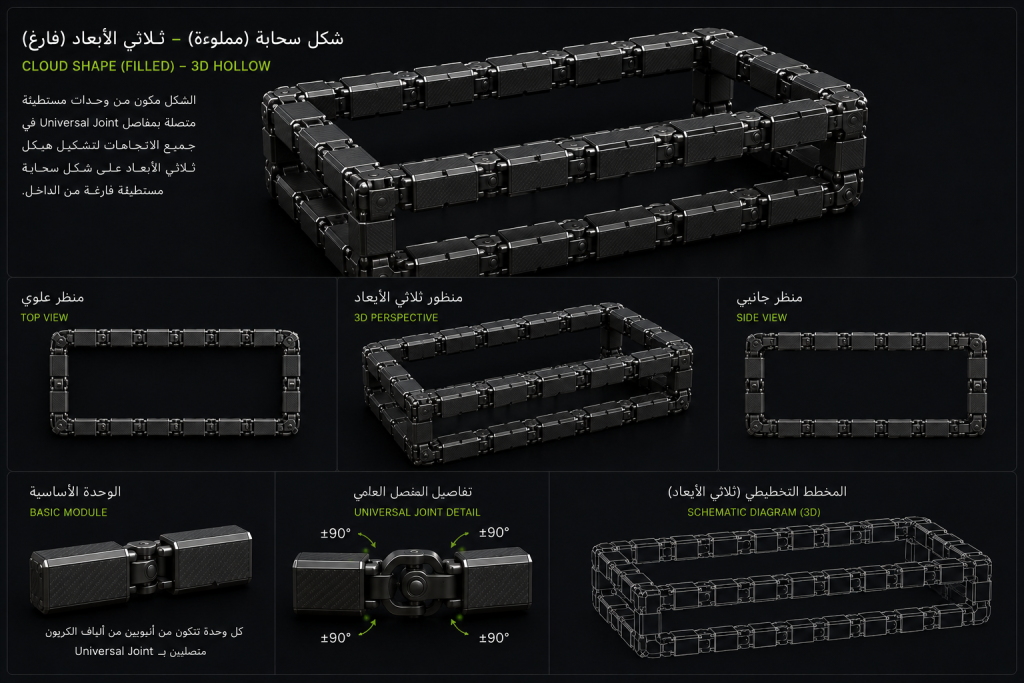
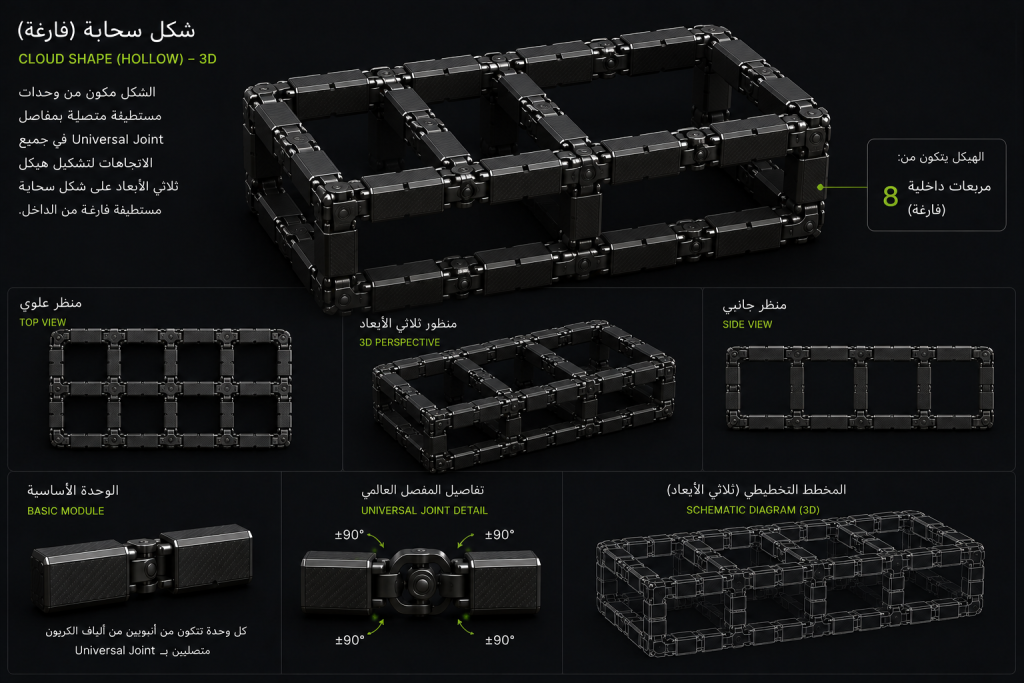
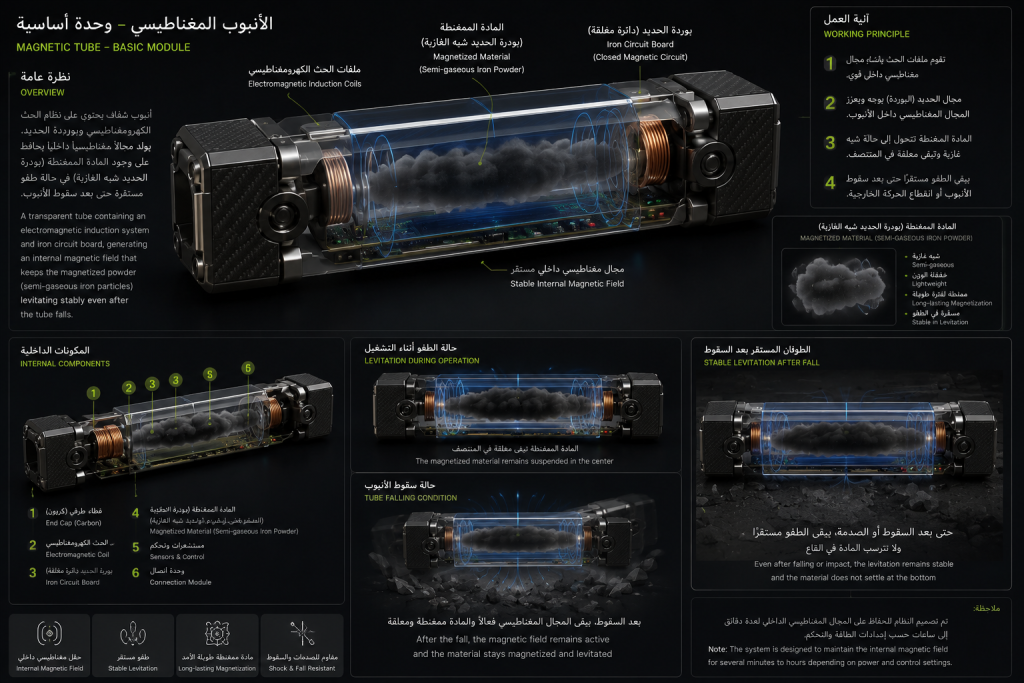
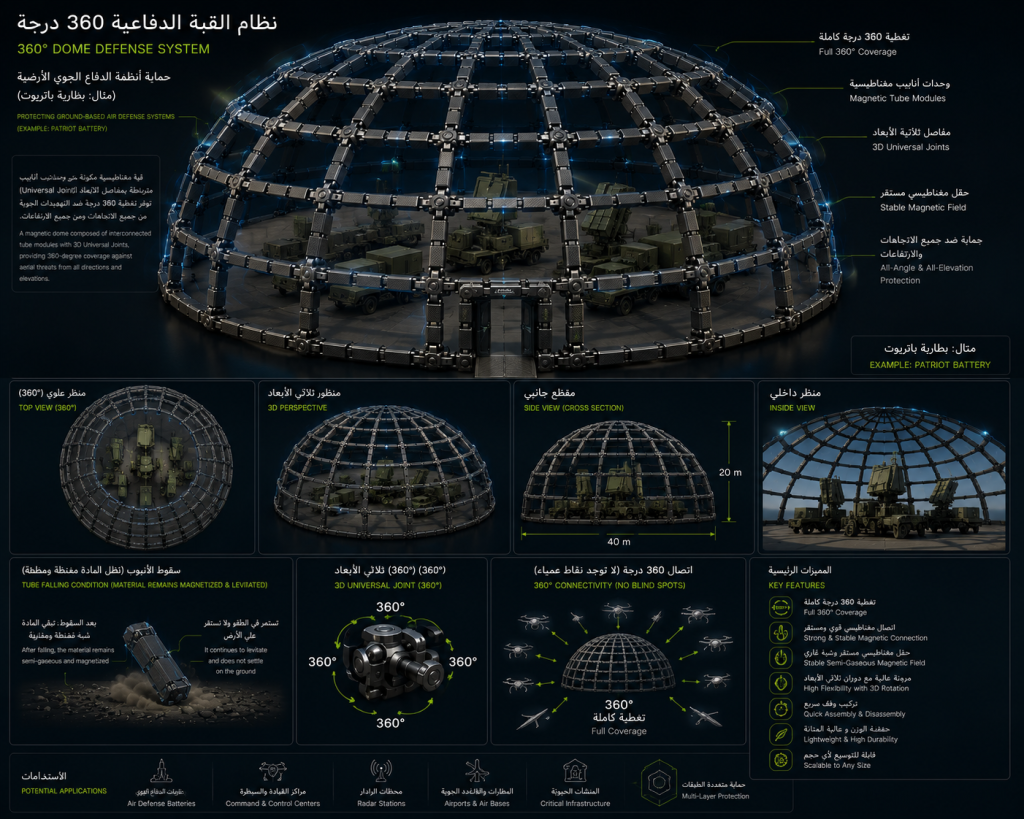
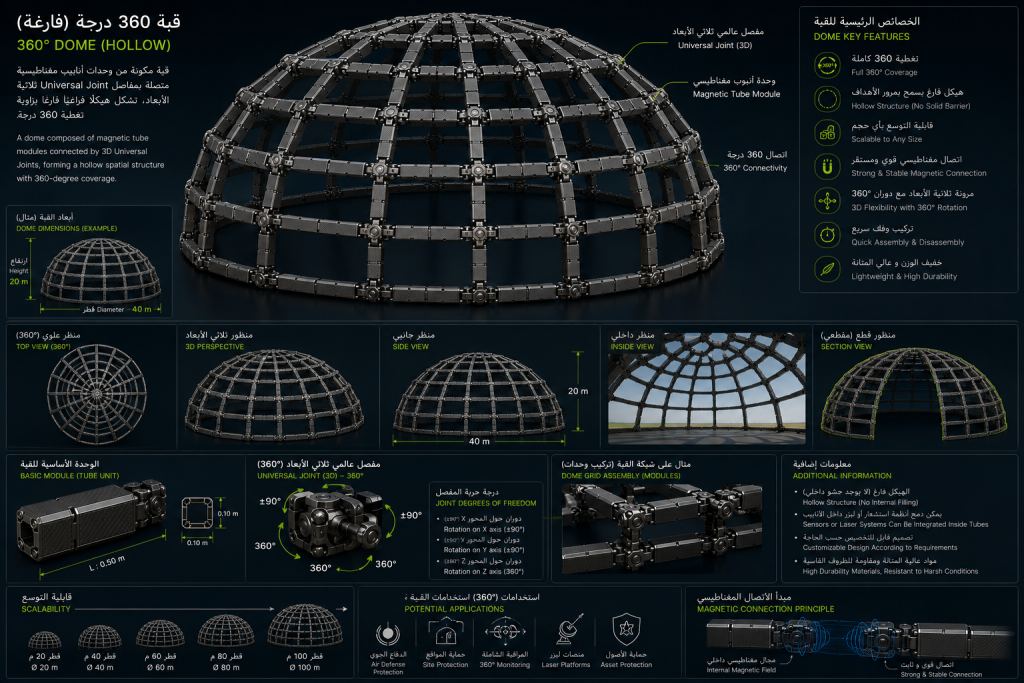
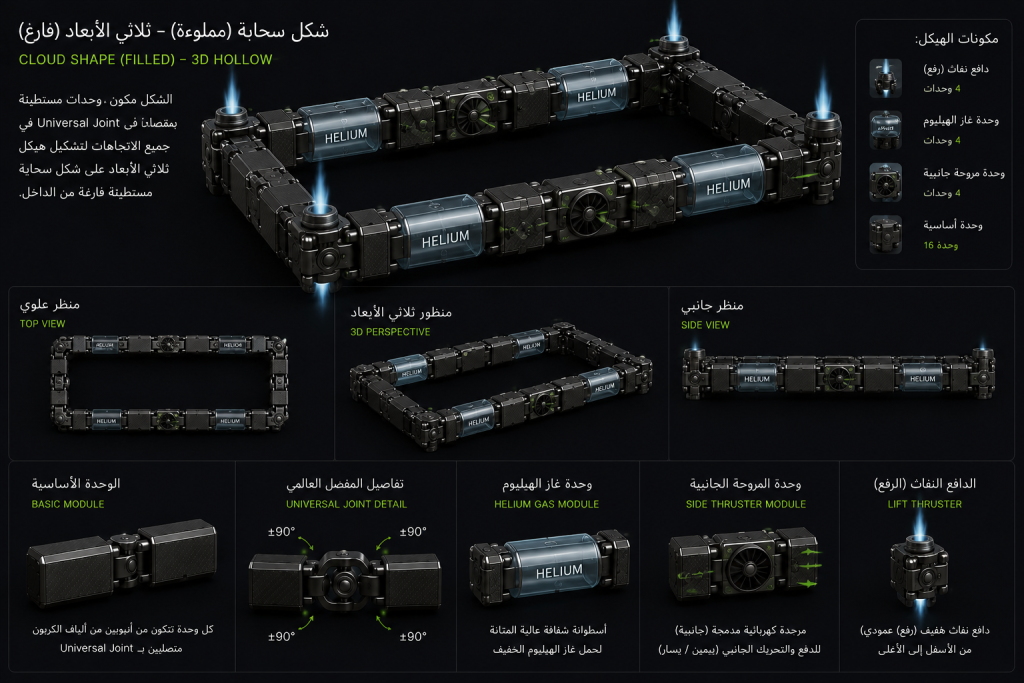
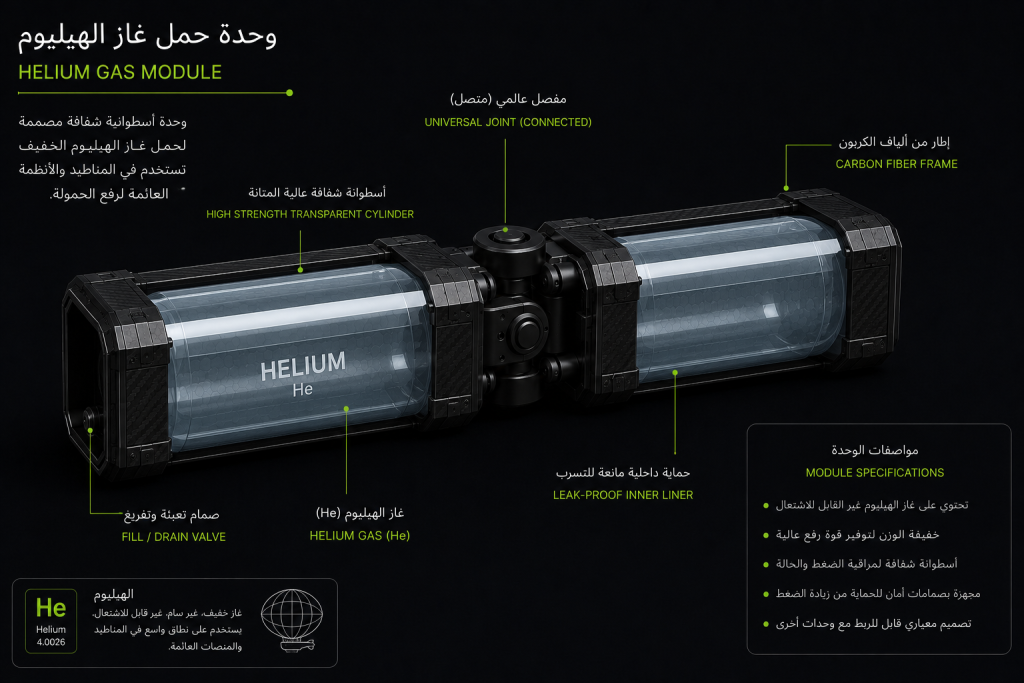
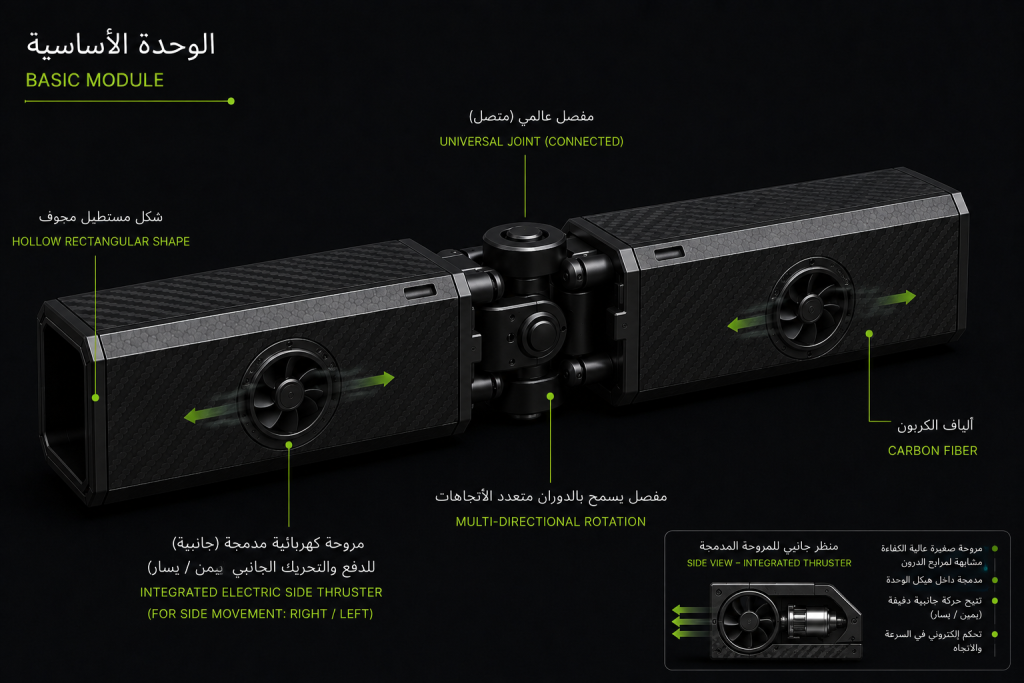
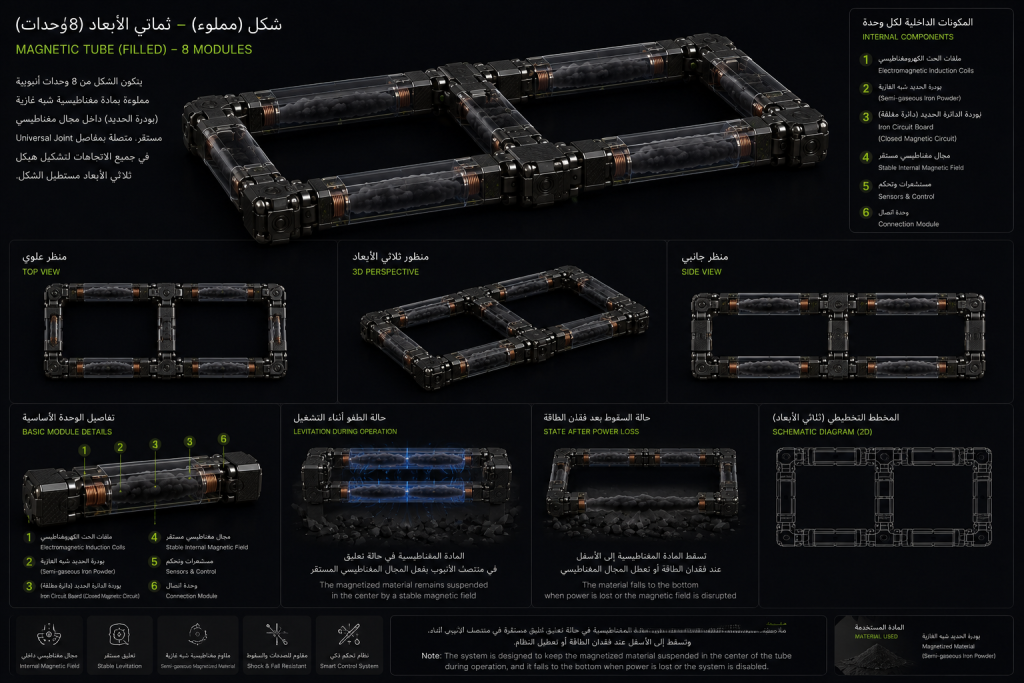
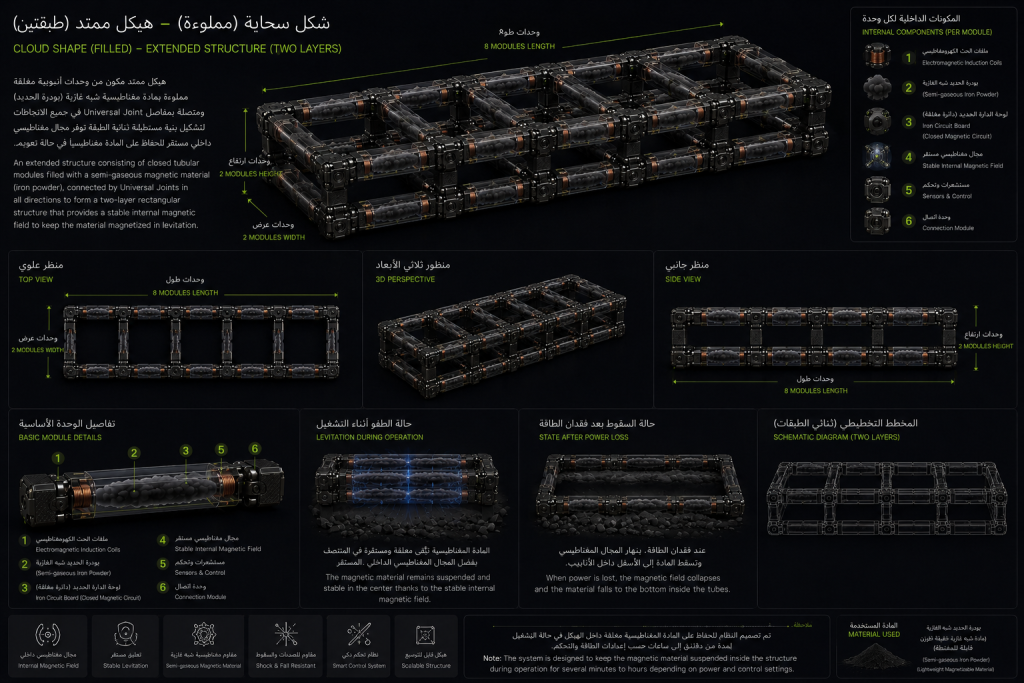
Air and Missile Defense Innovation Project
Air and Missile Defense Innovation
Innovation Overview :
• Addresses a critical defense challenge
• Introduces new defensive capabilities
• Addresses a threat that current systems cannot handle
- Military Operational Relevance
Defensive Challenge :
Asymmetric Strategic Military Conflict
Operational Threat Concept :
Achieving offensive superiority by exploiting system capability limitations
Conflict Pattern :
War Effort Attrition
Defensive Military Capabilities :
Enhancing Strategic Deterrence by denying offensive superiority
ابتكار في الدفاع الجوي والدفاع الصاروخي
نظرة عامة على الابتكار
– يعالج تحدياً دفاعياً بالغ الأهمية.
– يقدم قدرات دفاعية جديدة.
– يعالج تهديداً لا تستطيع الأنظمة الحالية التعامل معه.
الأهمية العملياتية العسكرية
التحدي الدفاعي :
الصراع العسكري الاستراتيجي غير المتماثل.
مفهوم التهديد العملياتي :
تحقيق التفوق الهجومي من خلال استغلال محدودية قدرات الأنظمة الدفاعية.
نمط الصراع :
استنزاف المجهود الحربي.
القدرات العسكرية الدفاعية:
تعزيز الردع الاستراتيجي من خلال حرمان الخصم من تحقيق التفوق الهجومي.
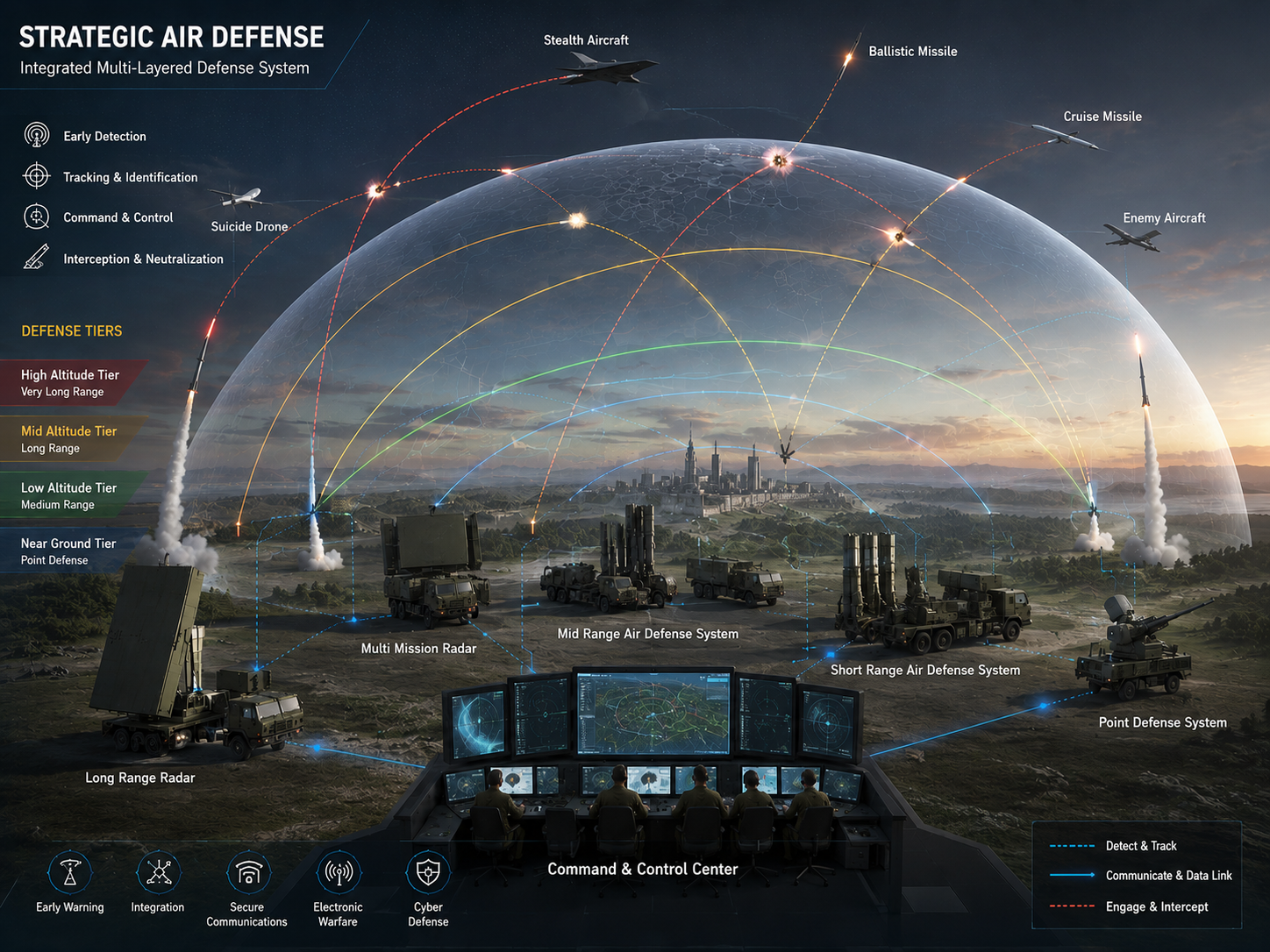 Air Defense Innovation ProjectAir Defense Innovation Primary ComponentAir Defense InnovationThreat Defeat Mechanism in the Air Defense Innovation
Strategic Defense & Military Foresight Studies
الدراسات الدفاعية الاستراتيجية & الاستشراف العسكري
Strategic Defense & Military Foresight Studies
الدراسات الدفاعية الاستراتيجية & الاستشراف العسكري
Theoretical Research Cooperation Call
دعوة للتعاون البحثي النظري
Threat Analysis & Defense Integration
تحليل التهديد والتكامل الدفاعي
Conceptual & Abstract Technical Modeling for Strategic Defense Integration
النمذجة المفاهيمية والتقنية المجرّدة للتكامل الدفاعي الاستراتيجي
Conceptual & Abstract Technical Modeling for Strategic Defense Integration
These diagrams are conceptual visual modeling outputs from earlier independent work on strategic defense system integration. They are provided for reference only and are not part of the current project.
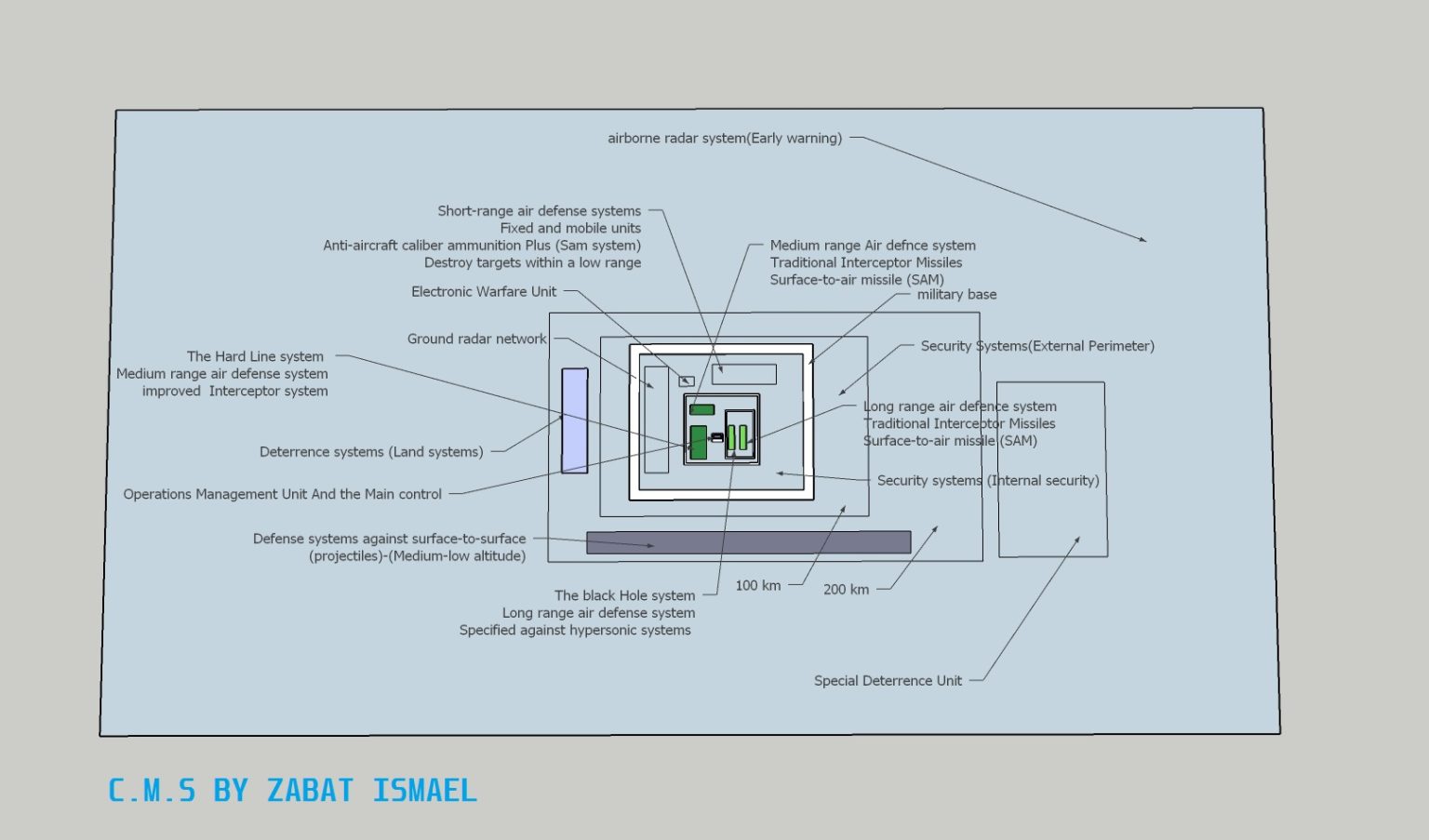
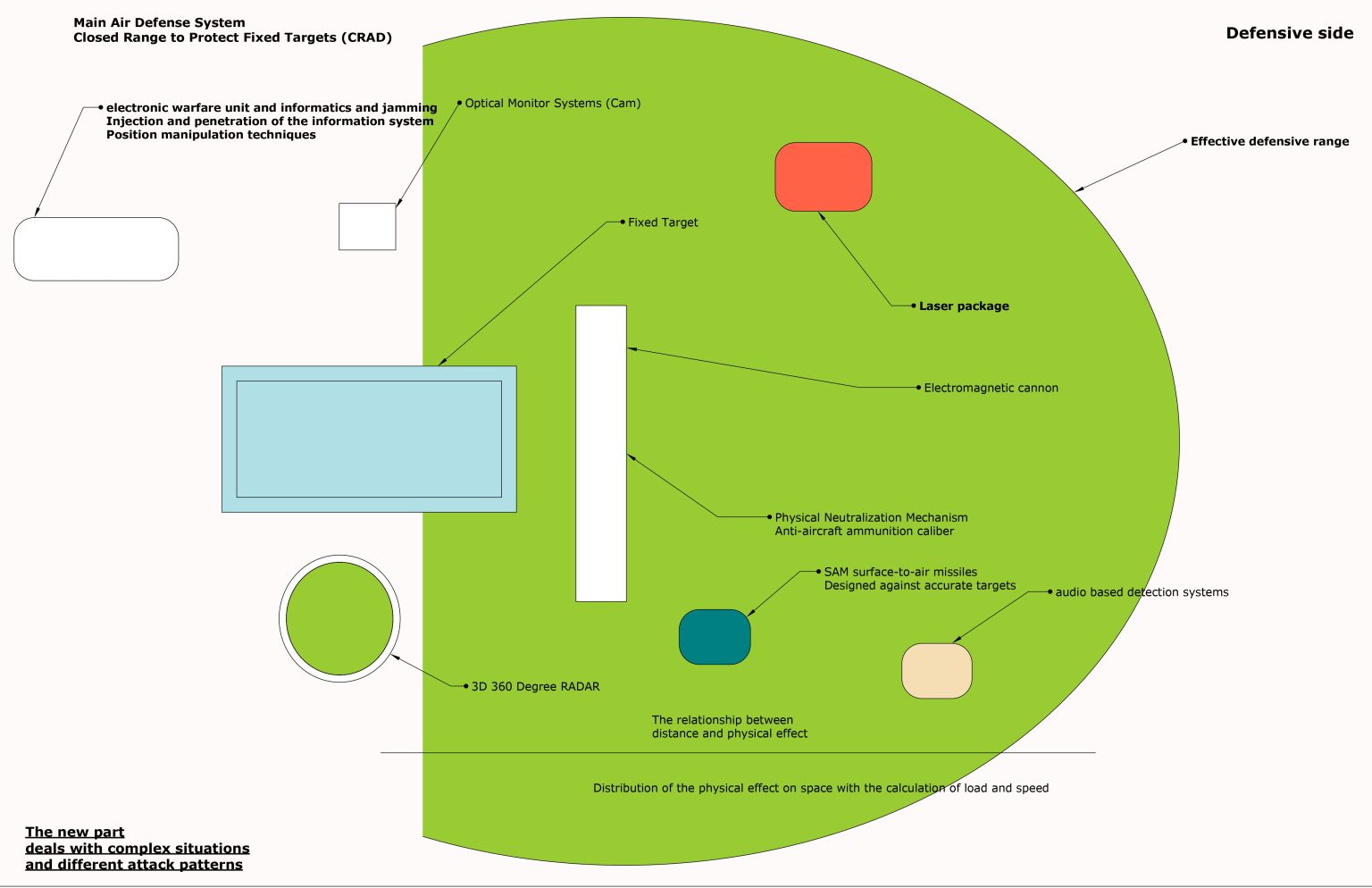
Conceptual & Abstract Technical Modeling for Strategic Defense Integration
Including :
• Hardware Deployment Architecture (Conceptual) & System-of-Systems Visual Representation
Conceptual Diagram – Defensive Asset Deployment Logic :
Applied Sciences :
Principle-Based Military Conceptual Modeling (Scientific) (General Conceptual Models of Engineering and Functional Capabilities — Theoretical)
&
Theoretical Military Sciences :
Strategic Capability Utilization
Informed by Defensive Foresight Analysis & Theat Analysis
النمذجة المفاهيمية والتقنية المجرّدة للتكامل الدفاعي الاستراتيجي
تشمل :
• معمارية نشر العتاد (مفاهيمية) & التمثيل البصري لمنظومات الأنظمة (System-of-Systems)
المخطط المفاهيمي – منطق نشر الأصول الدفاعية :
العلوم التطبيقية :
النمذجة العسكرية المفاهيمية القائمة على المبادئ العلمية (نماذج مفاهيمية عامة للقدرات الهندسية والوظيفية — نظرية)
&
العلوم العسكرية النظرية :
التوظيف الاستراتيجي للقدرات
استنادًا إلى التحليل الاستشرافي الدفاعي و تحليل التهديدات
Please note that this document does not constitute a formal research partnership framework. It is provided solely as a general contextual explanation for clarity. An updated and more detailed document, specifically focused on theoretical research cooperation, is currently under preparation.
For inquiries related to theoretical research cooperation, please Contact :
CMS Defense | Office
office@cmsdefense.nexus